











Best Water Purifiers in India (2026)
Looking for the best water purifier for your home? Compare RO, UV & UF technology by water source, plus live deals on Discount Deals Live.
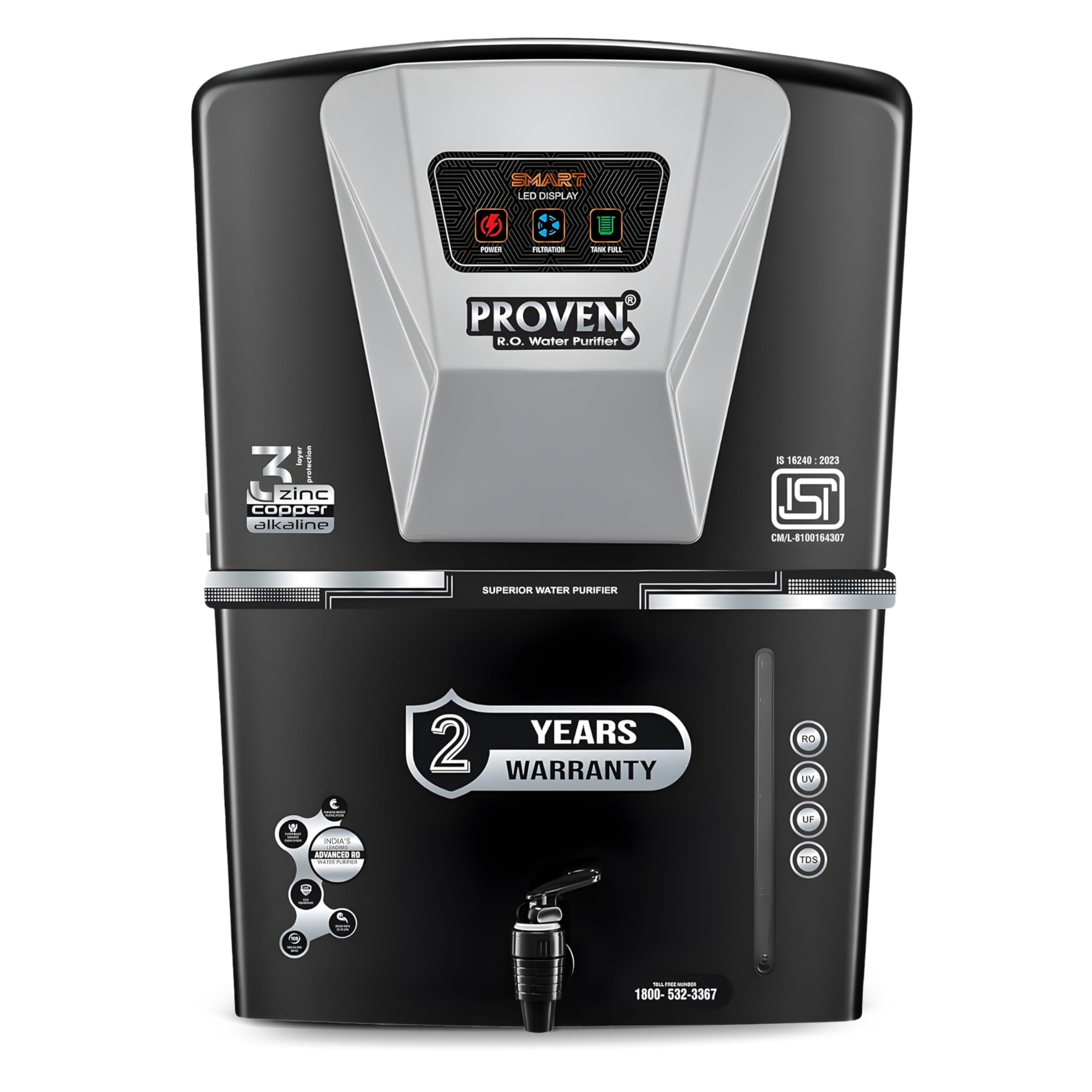

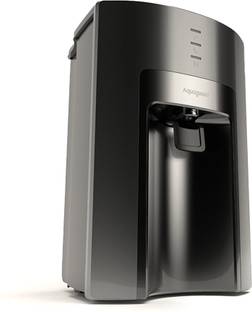

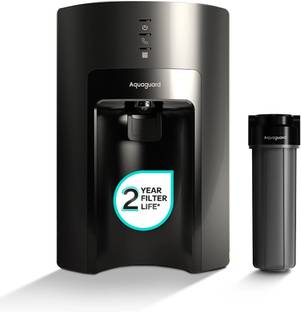
Choosing a water purifier isn't really about picking the "best" one in general — it depends heavily on your specific water source and its TDS (Total Dissolved Solids) level. Buying the wrong technology for your water type either wastes money on unnecessary filtration or fails to remove contaminants that actually matter. Here's how to make this decision correctly.
Understanding Purification Technologies
- RO (Reverse Osmosis) — removes dissolved salts, heavy metals, and most chemical contaminants; essential for water with high TDS levels (like borewell or groundwater in many regions), but also removes some beneficial minerals, which many RO purifiers now re-add through a mineralizer
- UV (Ultraviolet) — kills bacteria and viruses using UV light but doesn't remove dissolved solids or chemical contaminants; suitable for water that's already low in TDS but potentially microbiologically unsafe
- UF (Ultrafiltration) — filters out bacteria and larger particles without electricity, but like UV, doesn't reduce TDS; often used as a lower-maintenance option for already-low-TDS water sources
- Combination systems (RO+UV+UF) — increasingly common, covering both dissolved solids and microbiological safety in one unit, generally the safer default choice if you're unsure of your water quality specifics
Checking Your Water Source First
Before choosing a technology, it's worth knowing your water's TDS level, since this determines whether RO is actually necessary:
- TDS below 200 ppm — generally doesn't need RO; UV or UF purification is often sufficient
- TDS 200-500 ppm — RO is commonly recommended for more thorough purification
- TDS above 500 ppm — RO purification is generally necessary, and some cases benefit from purifiers with adjustable TDS control
A simple TDS meter (often included with some purifier purchases or available separately) gives you this reading, or municipal water suppliers sometimes publish general water quality data for your area.
What to Check Before Buying
- Storage tank capacity — matters for households with intermittent water supply or high daily usage; check against your household size
- Filter/membrane replacement cost and frequency — a genuinely important long-term cost that's often overlooked at purchase time; ask specifically about ongoing maintenance expenses, not just the upfront price
- Mineralizer (for RO systems) — re-adds essential minerals removed during RO filtration, worth prioritizing if RO is necessary for your water source
- Purification indicator — a filter-life or purification-status indicator helps you know when maintenance is actually due, rather than guessing
Pros & Cons by Technology Type
RO Purifiers:
- Pros: effective against dissolved solids, heavy metals, and most chemical contaminants
- Cons: higher maintenance cost, wastes some water during the filtration process, requires electricity
UV Purifiers:
- Pros: lower maintenance cost, effective against bacteria and viruses, no water wastage
- Cons: doesn't reduce TDS or remove dissolved chemical contaminants
UF Purifiers:
- Pros: works without electricity, low maintenance, effective against bacteria and larger particles
- Cons: doesn't address dissolved solids or most chemical contaminants
For High-TDS Water Sources (Borewell, Hard Water Areas)
If your water source has high TDS or is known to be hard water:
- RO or RO+UV+UF combination purification is generally necessary
- Prioritize a mineralizer to maintain healthy mineral content in the purified water
- Check the storage tank capacity carefully, since RO systems often have lower output rates than UV/UF alternatives
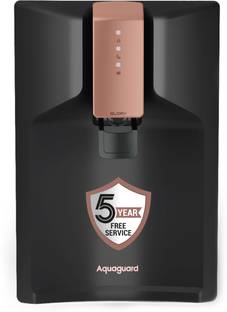
a well-reviewed RO+UV+UF combination purifier for high-TDS water — LINK is a commonly recommended option for this water type.
For Municipal/Low-TDS Water Sources
If your water supply is municipal with generally low TDS:
- UV or UF purification is often sufficient without the added cost and water wastage of RO
- Lower ongoing maintenance costs make this a more economical long-term choice for suitable water types
- Confirm your area's water quality data or test TDS before assuming RO isn't needed
a UV or UF purifier suited for municipal low-TDS water — LINK works well for this use case.
Understanding Ongoing Maintenance Costs
Water purifiers have a genuine ongoing cost beyond the purchase price — filter and membrane replacements, typically needed every 6-12 months depending on usage and water quality. This is worth factoring into your decision, since a cheaper purifier with expensive or frequent replacement filters can cost more over a few years than a pricier model with lower ongoing costs.
Quick Comparison Checklist
| Water type | Recommended technology |
|---|---|
| High TDS (borewell, hard water) | RO or RO+UV+UF combination |
| Low TDS, municipal supply | UV or UF |
| Uncertain water quality | RO+UV+UF combination (safest default) |
Today's Best Deals on Water Purifiers
Prices on water purifiers shift with sale events and bank offers. Check live pricing before you buy:
- See real-time results for this exact search on Best Water Purifiers — Live Search
- Browse the full Kitchen & Dining category for related deals
- Compare listings across Amazon Deals and Flipkart Deals side by side
Frequently Asked Questions
Do I need RO if my water TDS is already low?
Generally no — RO is primarily necessary for reducing high dissolved solids. For low-TDS water, UV or UF purification (which address microbiological safety rather than dissolved solids) is often sufficient and comes with lower ongoing costs.
How often do purifier filters need to be replaced?
This varies by purifier type and water quality, but a common range is every 6-12 months for most filter components, with RO membranes sometimes lasting slightly longer depending on usage and water hardness. Checking the manufacturer's specific recommendations for your model is the most accurate approach.
Does RO purification remove healthy minerals from water?
Yes, RO filtration removes both harmful dissolved solids and some beneficial minerals. Many modern RO purifiers include a mineralizer stage that re-adds essential minerals after filtration, which is worth prioritizing if you're choosing an RO system.
Is a combination RO+UV+UF purifier always the best choice?
It's the safest default if you're unsure about your specific water quality, since it covers both dissolved solids and microbiological safety. However, if your water source is confirmed to be low-TDS, a UV or UF-only purifier can be a more cost-effective choice with lower ongoing maintenance.
Check Best Deals for current live pricing on water purifiers before you buy — the same model can be priced differently across platforms depending on ongoing offers.