


Best Wallets for Men in India (2026)
Looking for the best wallet for men? Compare material, size & card capacity, plus live price deals on Discount Deals Live.
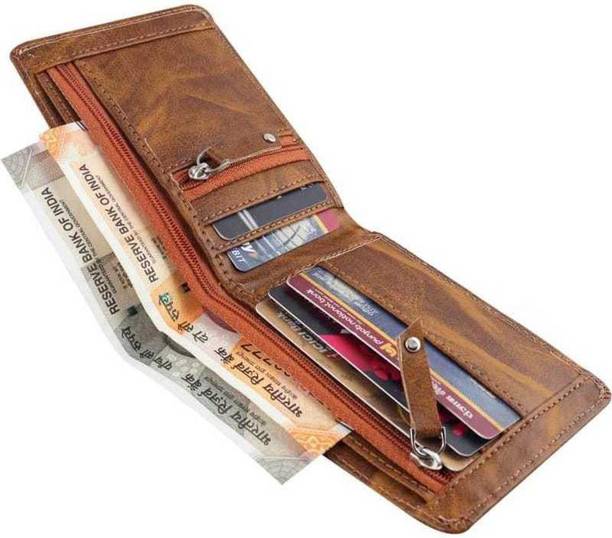

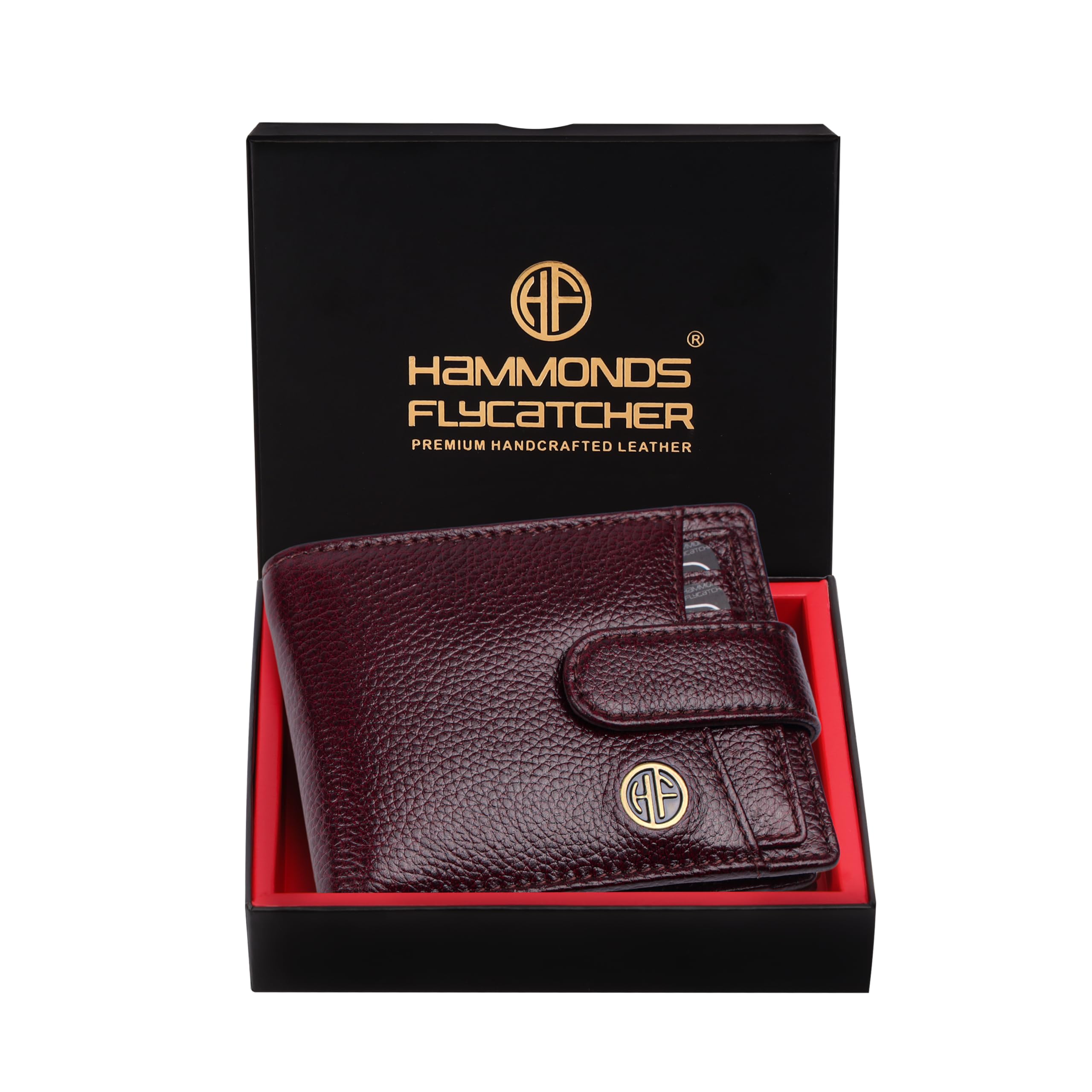
HAMMONDS FLYCATCHER Wallet for Men Leather Original, Mens Wallet, Leather Wallets for Men Stylish, Bi-Fold Wallets for Man, 5 Card Slots, Easy Access Card Slots, Coin Pocket, Gift for Mens - Brown


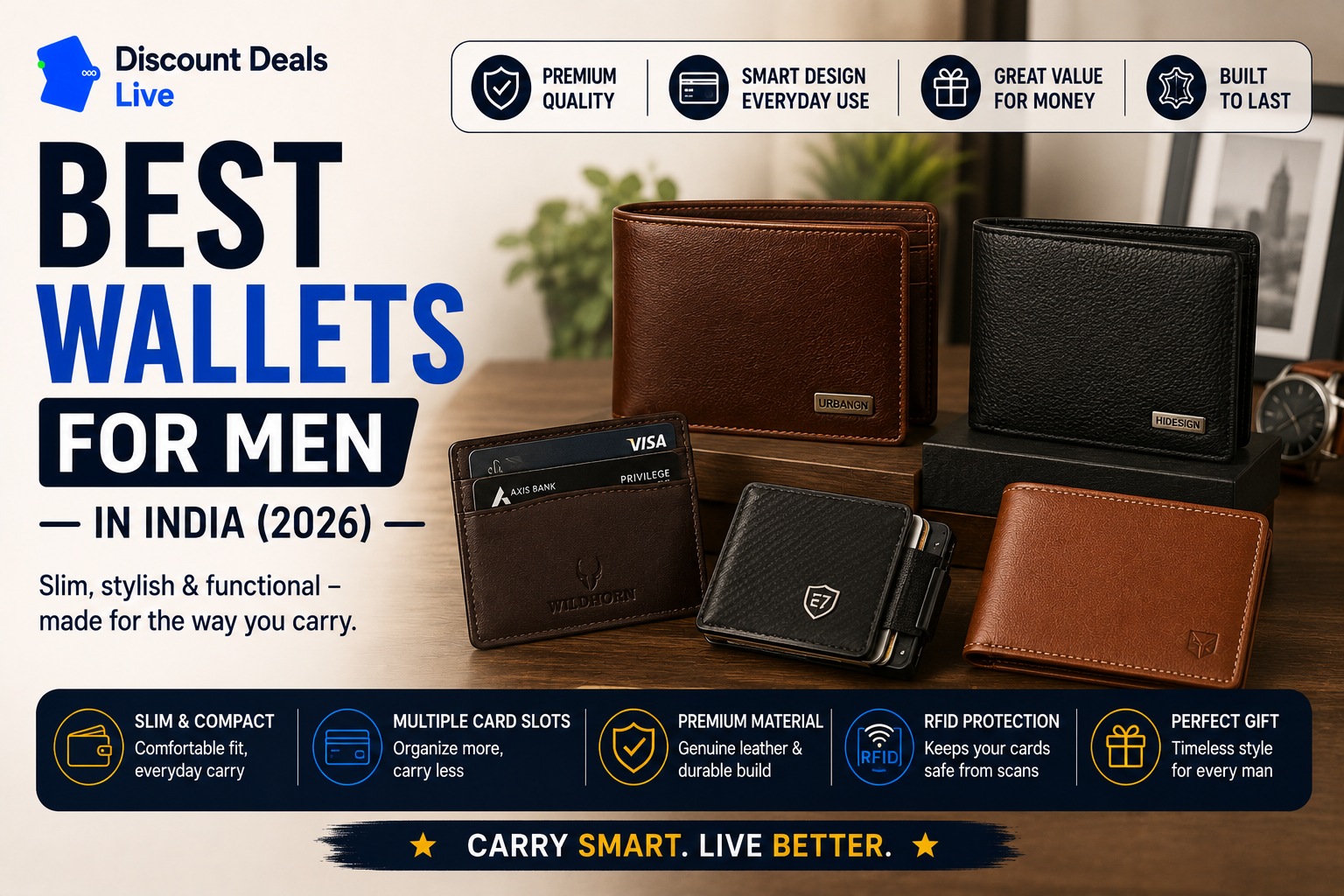
A wallet is a small, daily-carry item, but the wrong choice shows up constantly — cards that don't fit properly, bulk in your pocket, or a wallet that wears out within a year. With most people carrying fewer cash notes and more cards these days, wallet design has shifted meaningfully, and it's worth choosing based on how you actually use one rather than just style.
Types of Wallets
- Bifold wallets — the traditional folding design, offering a balance of card slots, cash storage, and a compact-ish form when folded
- Trifold wallets — more storage capacity than bifold, but bulkier in the pocket, less common now as card-based payments reduce cash storage needs
- Slim/minimalist wallets — designed for a small number of cards and minimal cash, prioritizing a thin profile over storage capacity
- Card holders — the most compact option, holding only a handful of cards without dedicated cash compartments, suited for those who rarely carry cash
- Zip-around wallets — offer more secure closure and often more storage, though bulkier than other styles
What to Check Before Buying
- Material — genuine leather offers durability and develops character over time but costs more and needs occasional care; good quality synthetic leather is a practical, lower-maintenance alternative
- Card capacity — count how many cards you actually carry regularly (bank cards, ID, loyalty cards) and choose a wallet with enough slots, without excessive unused capacity that adds bulk
- RFID blocking — a security feature that helps prevent unauthorized wireless scanning of contactless cards; worth considering if you carry contactless payment cards regularly
- Stitching and hardware quality — check reviews specifically mentioning stitching durability, since this is a common failure point on lower-quality wallets with heavy daily use
- Pocket profile — how the wallet sits in your pocket (front vs back, jeans vs formal trousers) affects which size and shape is actually comfortable for daily carry
Pros & Cons of Genuine Leather vs Synthetic Leather
Genuine Leather:
- Pros: durable, develops a natural patina and character over time, generally holds shape well with use
- Cons: higher cost, needs occasional conditioning, not suitable for those avoiding animal-derived materials
Synthetic Leather:
- Pros: more affordable, easier to maintain, often more resistant to water and stains
- Cons: durability varies significantly by quality, doesn't develop the same aging character as genuine leather
For Minimal, Card-Focused Carry
If you mostly carry cards and rarely use cash:
- A slim wallet or card holder reduces pocket bulk significantly compared to a traditional bifold
- RFID blocking is worth prioritizing here, since these wallets are specifically designed around frequent card use
- Check the exact card capacity against your actual daily carry to avoid choosing something too small
a well-reviewed slim RFID-blocking wallet — LINK is a commonly recommended option for minimal card-focused carry.
For Traditional Cash and Card Carry
If you regularly carry a mix of cash and cards:
- A bifold wallet with a dedicated cash compartment offers practical, familiar organization
- Check for a separate ID window if you frequently need to show identification without removing it
- Genuine leather is a reasonable investment here given the frequent daily handling this style typically sees
a well-reviewed leather bifold wallet with cash and card storage — LINK works well for this use case.
Is RFID Blocking Actually Necessary?
RFID blocking wallets are designed to prevent unauthorized wireless scanning of contactless payment cards. While the real-world risk of this type of theft is debated and considered relatively low by many security experts, RFID-blocking wallets typically don't cost significantly more than standard options, making it a low-cost precaution for peace of mind if you carry contactless cards regularly.
Care Tips for Longer Wallet Life
- Avoid overstuffing beyond the wallet's intended capacity, which stresses stitching and can cause the shape to warp over time
- For leather wallets, occasional conditioning helps prevent cracking, particularly in drier climates or with frequent air conditioning exposure
- Rotate between wallets if you own more than one, giving each time to "rest" and maintain its shape rather than constant daily compression
Quick Comparison Checklist
| Carry style | Recommended wallet type |
|---|---|
| Mostly cards, minimal cash | Slim wallet or card holder |
| Regular cash and card mix | Bifold wallet |
| Maximum security/organization | Zip-around wallet |
| Absolute minimal carry | Card holder |
Today's Best Deals on Wallets for Men
Prices on wallets shift with sale events and bank offers. Check live pricing before you buy:
- See real-time results for this exact search on Best Wallets for Men — Live Search
- Browse the full Bags & Accessories category for related deals
- Compare listings across Amazon Deals and Flipkart Deals side by side
Frequently Asked Questions
Is genuine leather worth the extra cost for a wallet?
If long-term durability and a wallet that ages well matter to you, genuine leather is generally a worthwhile investment given how frequently a wallet is handled daily. For those prioritizing budget or lower maintenance, good quality synthetic leather is a practical alternative.
How many cards should a wallet realistically hold?
This depends entirely on your actual carry habits — counting your regularly used cards (bank cards, ID, loyalty cards) before buying helps you choose a wallet with appropriate capacity, rather than over-buying storage you won't use or under-buying and dealing with a cramped wallet.
Does RFID blocking actually protect against theft?
It provides a layer of protection against a specific, though relatively uncommon, type of wireless card scanning. Given the minimal cost difference, many buyers choose RFID-blocking wallets as a low-effort precaution, even though real-world incidents of this type of theft are considered rare by many security researchers.
How often should a wallet be replaced?
A well-made wallet with reasonable care can last several years of daily use. Signs it's time for a replacement include visible stitching failure, cracking material, or a shape that no longer holds together properly despite not being overstuffed.
Check Best Deals for current live pricing on wallets before you buy — the same style can be priced differently across platforms depending on ongoing offers.