



















Best Sunscreens in India (2026)
Looking for the best sunscreen for your skin type? Compare SPF, PA rating & formula type, plus live price deals on Discount Deals Live.
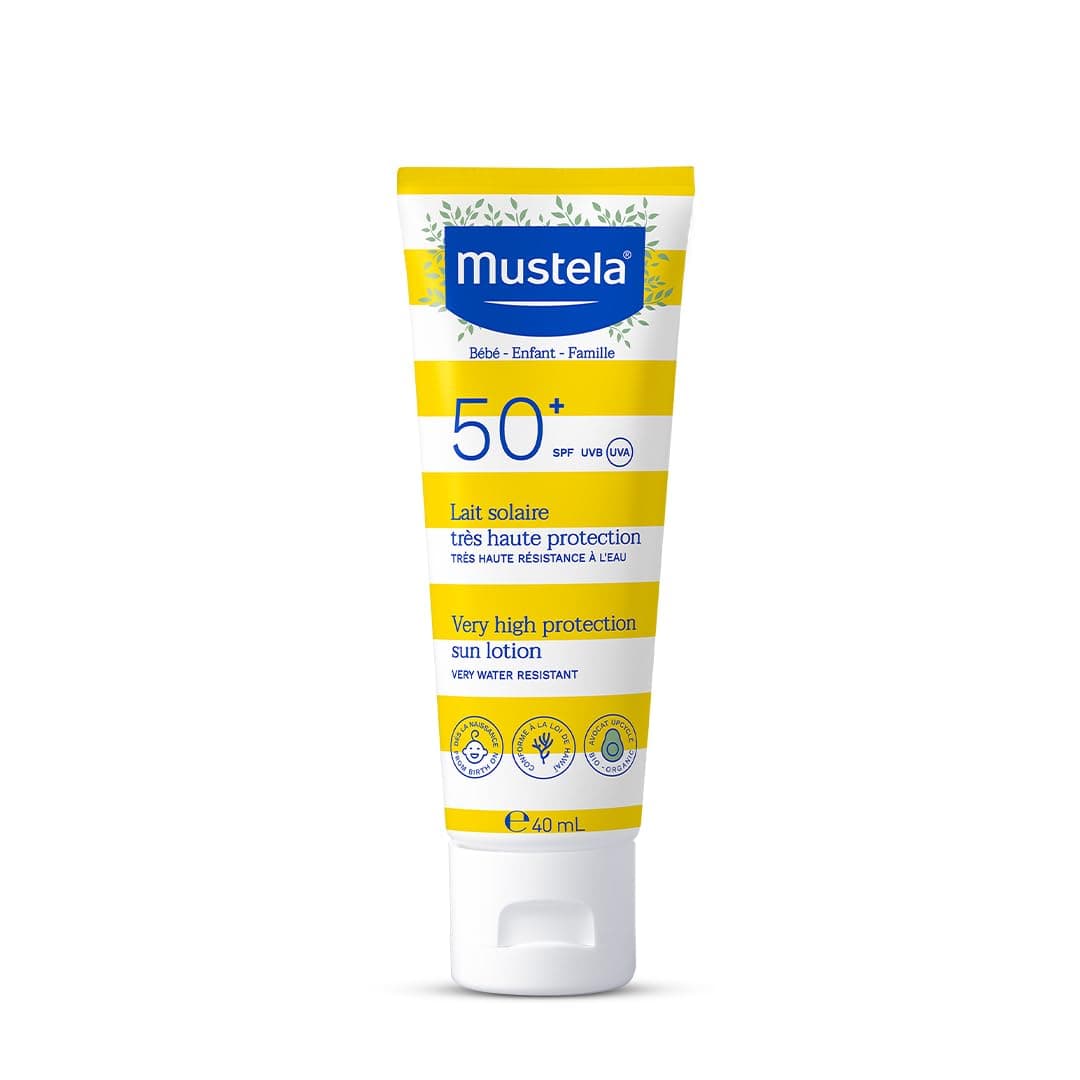
Mustela Sunscreen SPF 50-40ml: Broad Spectrum Protection for Sensitive Skin, Water Resistant Formula for Babies and Adults

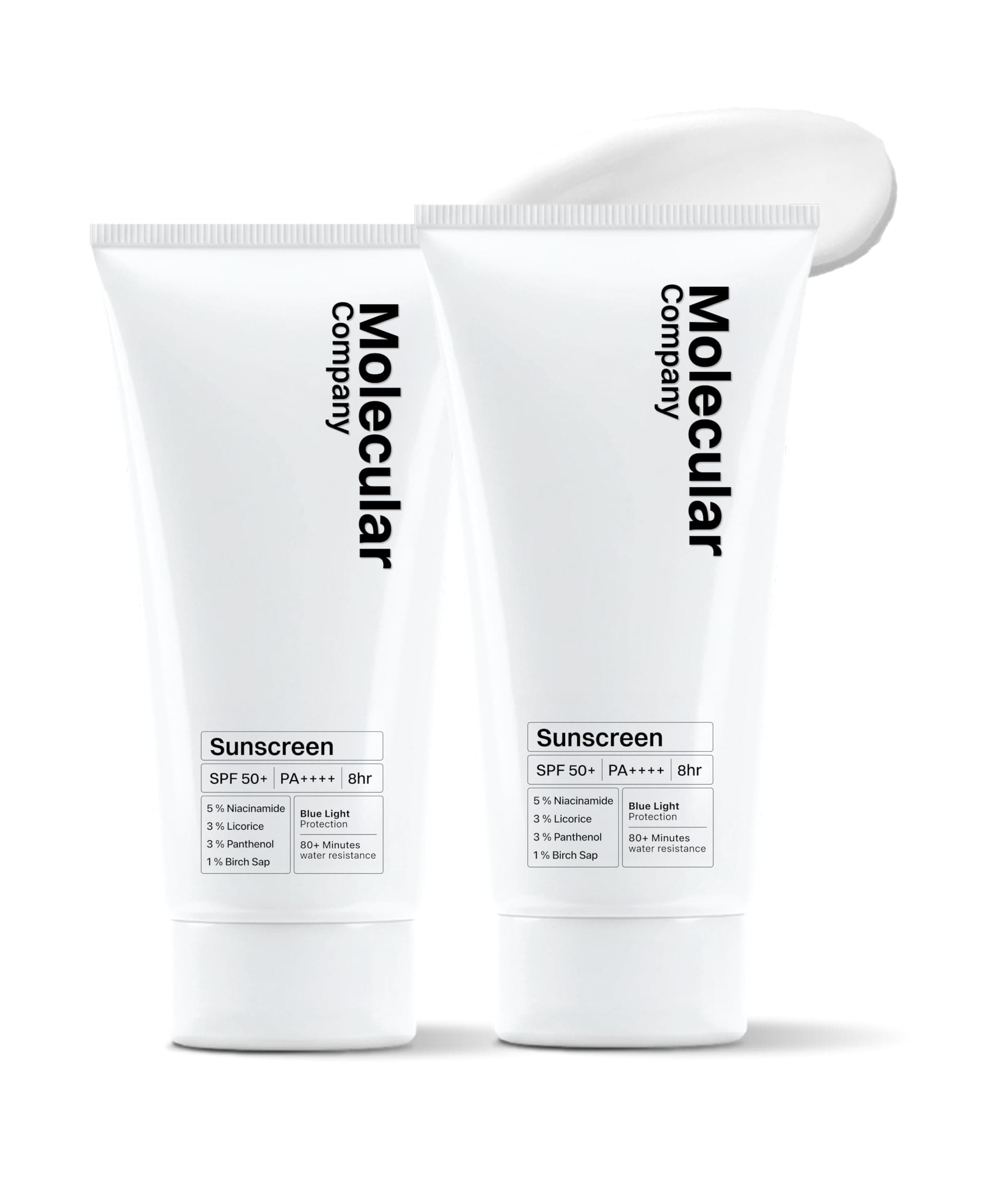
Molecular Company SPF 50+ Pa++++ Face Sunscreen Gel, 50g x 2 | 2X Moisturising than Hyaluronic Acid | With 5% Niacinamide, 3% Panthenol, 3% Lecorice, 1% Birch Sap l All Skin Type For Men & Women
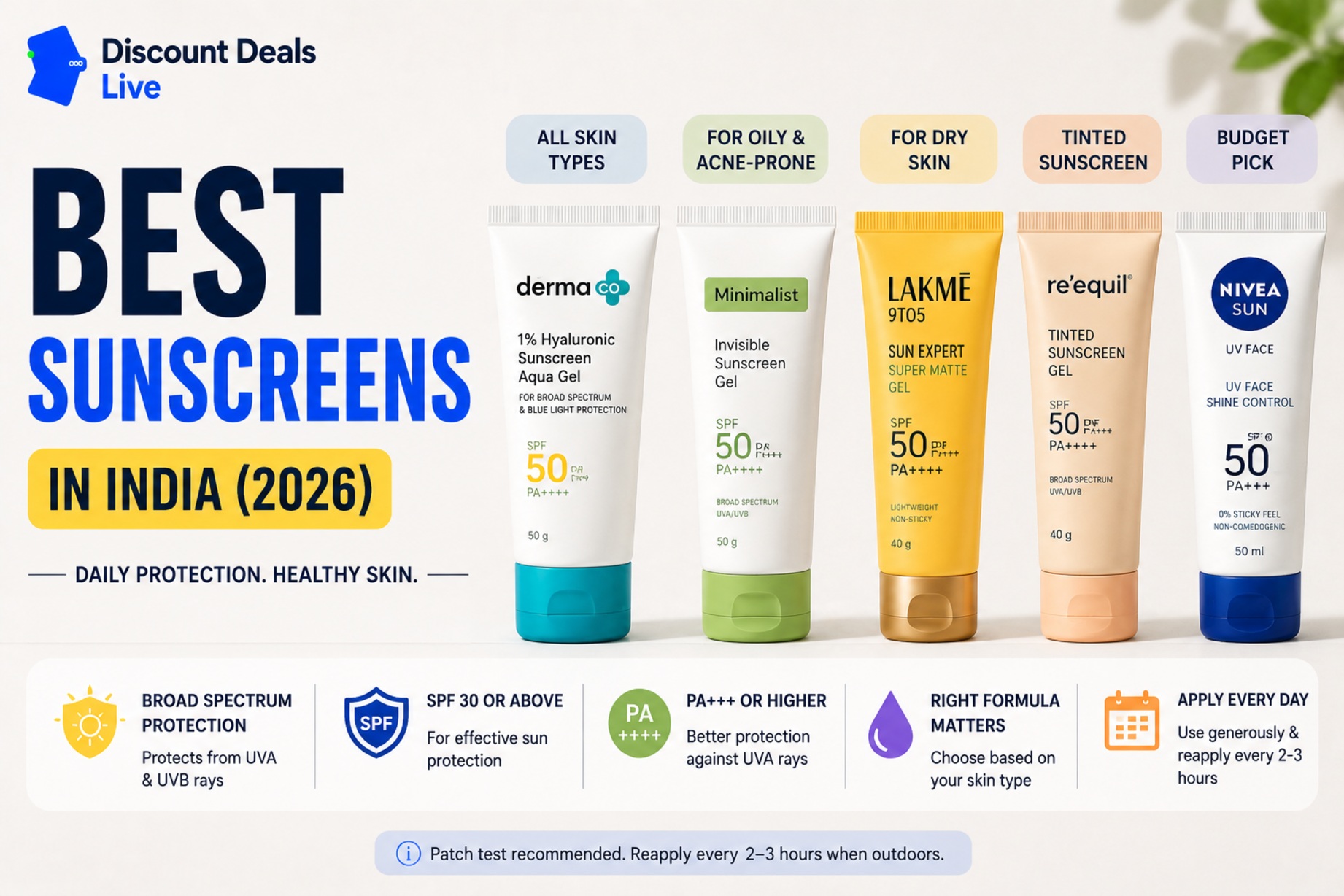
Sunscreen is one of those products where the label carries a lot of information that's easy to misread — SPF numbers, PA ratings, and formula types all matter, but not in the way marketing sometimes implies. Choosing the right one comes down to understanding what these numbers actually mean and matching the formula to your skin type and daily routine.
Understanding SPF and PA Ratings
- SPF (Sun Protection Factor) — measures protection against UVB rays, which are primarily responsible for sunburn; a common general recommendation is SPF 30 or higher for daily use, though higher SPF doesn't mean proportionally higher protection (SPF 30 blocks about 97% of UVB rays, while SPF 50 blocks about 98%)
- PA rating (+ to ++++) — measures protection against UVA rays, which contribute to longer-term skin aging and damage; more plus signs indicate stronger UVA protection, with PA+++ or PA++++ generally recommended for daily outdoor exposure
- Broad spectrum labeling — indicates protection against both UVA and UVB rays, worth confirming on the label rather than assuming SPF alone covers both
Chemical vs Physical (Mineral) Sunscreens
- Chemical sunscreens — absorb UV rays and convert them to heat, generally lighter in texture and easier to apply without a visible white cast, popular for daily wear under makeup
- Physical/mineral sunscreens — use zinc oxide or titanium dioxide to physically block and reflect UV rays, often preferred for sensitive skin, though they can leave a visible white cast on some skin tones
- Hybrid formulas — combine both chemical and physical filters, aiming to balance texture and broad protection
What to Check Before Buying
- Skin type compatibility — oily skin generally benefits from gel or matte-finish formulas, dry skin from more hydrating, cream-based formulas, and sensitive skin often does better with mineral/physical sunscreens
- Water and sweat resistance — worth prioritizing if you're regularly outdoors, exercising, or in humid conditions, since sweat and water can reduce sunscreen effectiveness if not formulated to resist this
- Reapplication practicality — a formula that's easy to reapply during the day (without disrupting makeup, for instance) is worth considering if you spend significant time outdoors
- Fragrance and additional ingredients — those with sensitive skin may want to check for fragrance-free formulations, since added fragrance can be a common irritant for some skin types
Pros & Cons: Chemical vs Physical Sunscreen
Chemical Sunscreens:
- Pros: lighter texture, generally no white cast, often easier to layer under makeup
- Cons: can be more likely to cause irritation for sensitive skin types, some formulas take about 15-20 minutes after application to become effective
Physical/Mineral Sunscreens:
- Pros: generally gentler for sensitive skin, effective immediately upon application
- Cons: can leave a visible white cast, particularly on deeper skin tones, sometimes has a thicker texture
For Oily and Acne-Prone Skin
If you have oily or acne-prone skin:
- Look for "non-comedogenic" labeling, meaning the formula is designed not to clog pores
- Gel-based or matte-finish sunscreens generally feel lighter and reduce excess shine compared to cream formulas
- Oil-free formulations are worth prioritizing to avoid adding to natural oil production
a well-reviewed non-comedogenic sunscreen for oily skin — LINK is a commonly recommended option for this skin type.
For Dry or Sensitive Skin
If you have dry or sensitive skin:
- Cream-based, hydrating formulas help address dryness while providing sun protection
- Mineral/physical sunscreens are generally gentler and less likely to cause irritation for sensitive skin
- Fragrance-free options reduce the risk of irritation from added fragrance ingredients
a well-reviewed hydrating mineral sunscreen for sensitive skin — LINK works well for this skin type.
How Much Sunscreen to Apply and How Often
A commonly cited general guideline is applying roughly a nickel-sized (or two-finger-length) amount for the face, and reapplying every 2 hours during direct sun exposure, or after swimming or heavy sweating, regardless of the water-resistance claim on the label. Under-application is a very common reason sunscreen doesn't provide its labeled level of protection in practice.
Quick Comparison Checklist
| Skin type | Recommended formula |
|---|---|
| Oily/acne-prone | Gel-based, non-comedogenic, oil-free |
| Dry | Cream-based, hydrating |
| Sensitive | Mineral/physical, fragrance-free |
| Combination | Lightweight, broad spectrum formula |
Today's Best Deals on Sunscreens
Prices on skincare products shift with sale events and bank offers. Check live pricing before you buy:
- See real-time results for this exact search on Best Sunscreens — Live Search
- Browse the full Beauty & Personal Care category for related deals
- Compare listings across Amazon Deals, Flipkart Deals, and Nykaa Deals side by side
Frequently Asked Questions
Do I need sunscreen even if I'm mostly indoors?
UVA rays can penetrate through window glass, so some general skincare guidance suggests daily sunscreen use even with limited direct outdoor exposure, particularly if you spend time near windows during the day. For specific concerns, consulting a dermatologist is the most reliable approach.
Is a higher SPF always better?
Not proportionally — SPF 30 blocks a similar percentage of UVB rays as SPF 50, with only a small incremental difference. Consistent application and reapplication generally matter more for effective protection than choosing the highest available SPF number.
Why does my sunscreen leave a white cast?
This is a common characteristic of physical/mineral sunscreens (containing zinc oxide or titanium dioxide), particularly on deeper skin tones. Tinted mineral sunscreens or hybrid formulas are options worth exploring if white cast is a concern for you.
How often should sunscreen actually be reapplied?
A commonly cited general guideline is every 2 hours during direct sun exposure, and immediately after swimming or heavy sweating, even with water-resistant formulas, since water resistance typically has a labeled time limit rather than being indefinite.
Check Best Deals for current live pricing on sunscreens before you buy — the same product can be priced differently across platforms depending on ongoing offers.