





Best Running Shoes for Men in India (2026)
Looking for the best running shoes for men? Compare cushioning, fit & terrain suitability, plus live price deals on Discount Deals Live.


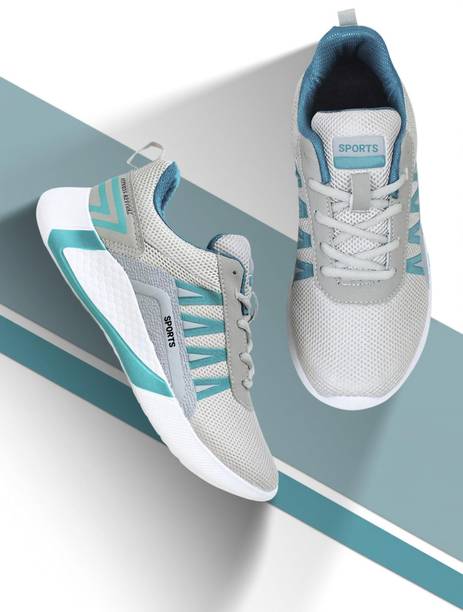

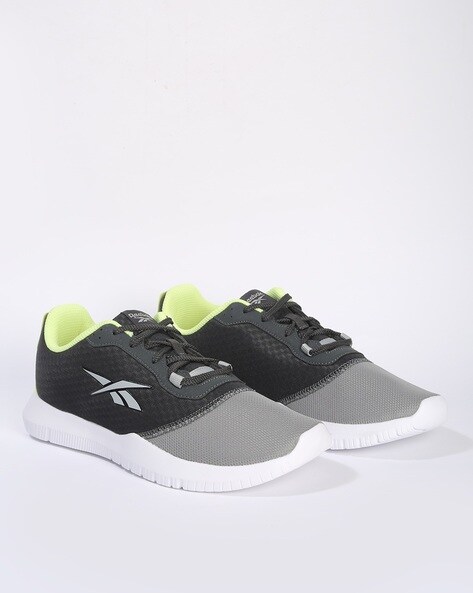

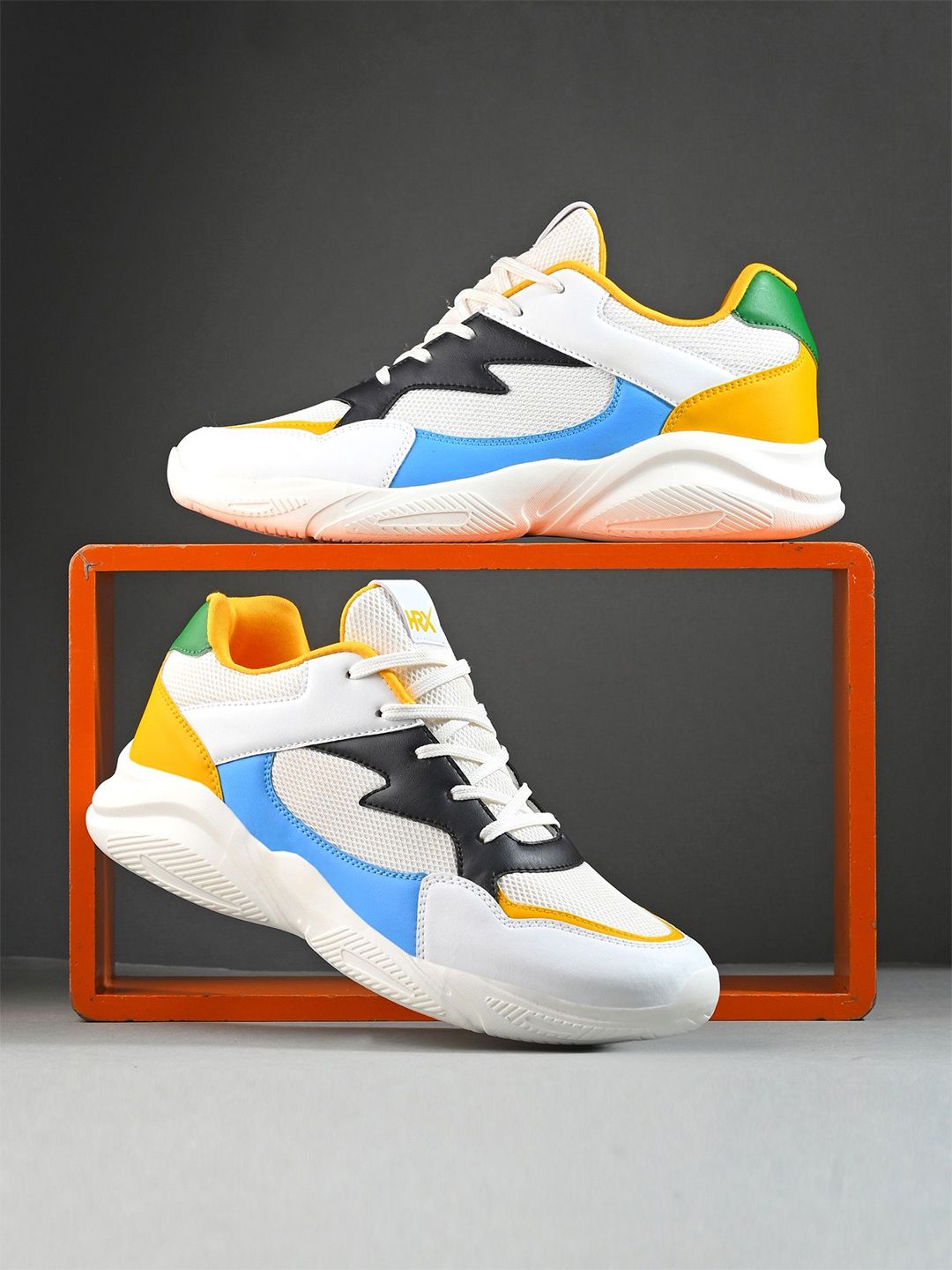

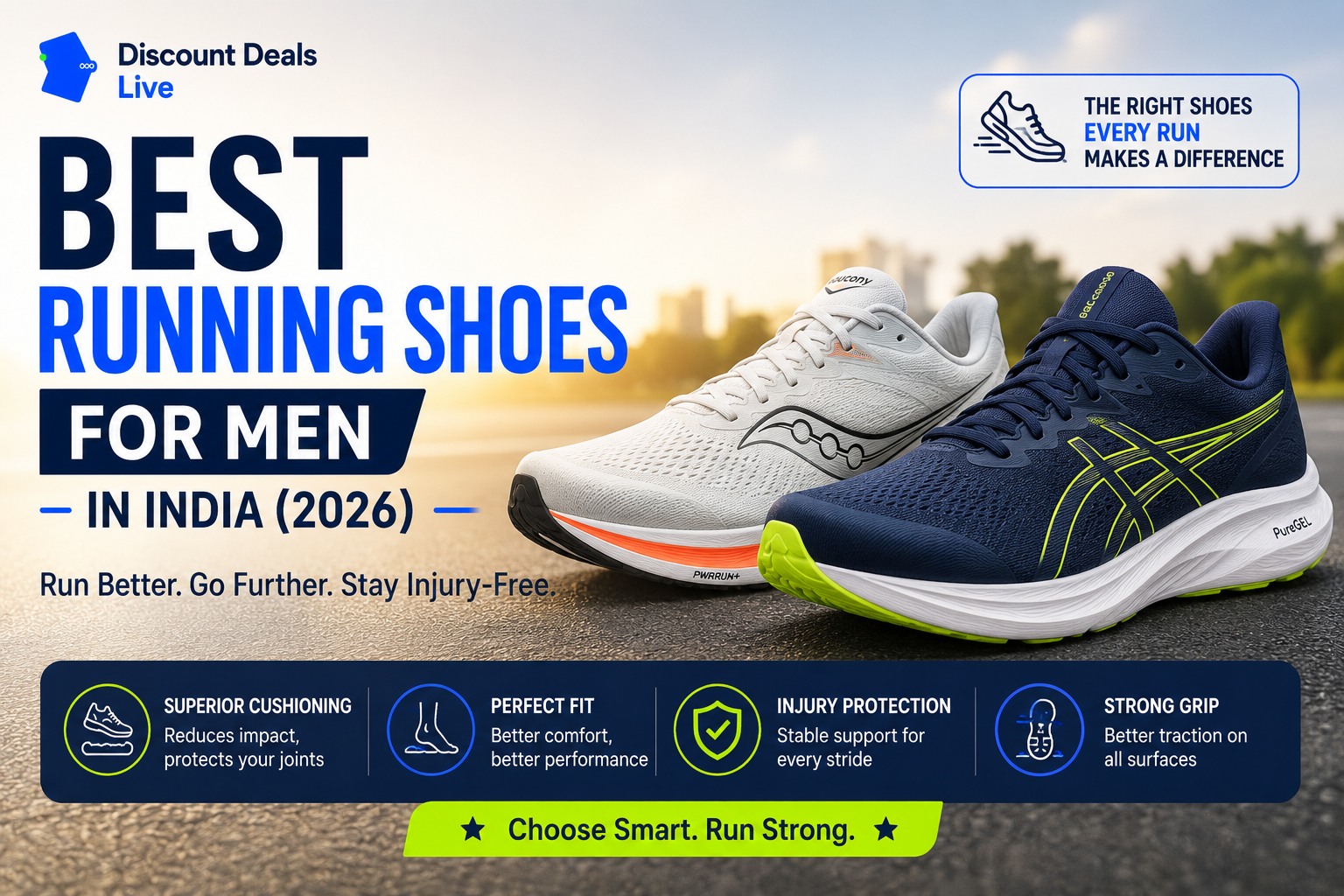
The wrong running shoes don't just feel uncomfortable — over time they genuinely increase injury risk, especially for anyone running regularly on hard surfaces. Fit and cushioning matter far more than brand name or looks, and what works for one runner's stride can feel completely wrong for another. Here's how to actually choose well.
Understanding Your Running Needs First
- Terrain — road running, treadmill use, and trail running each favor different sole designs; a shoe optimized for trail grip isn't ideal for smooth road surfaces and vice versa
- Running frequency and distance — occasional short runs have different cushioning and durability needs compared to regular long-distance training
- Foot strike pattern — heel strikers, midfoot strikers, and forefoot strikers benefit from different cushioning distribution, though this is a more advanced consideration for regular runners rather than beginners
What to Check Before Buying
- Cushioning level — more cushioning generally offers more comfort and shock absorption for longer runs, while less cushioning offers more ground feedback and is often lighter, preferred by some experienced runners for speed training
- Arch support — check whether you have a neutral arch, flat feet, or high arches, since shoes are often designed with specific arch support profiles; the wrong match can contribute to discomfort or injury over time
- Breathability — mesh uppers with good ventilation matter significantly for Indian climate conditions, where heat and humidity make breathable materials a genuine comfort factor, not just a nice-to-have
- Weight — lighter shoes are generally preferred for speed and shorter distances, while slightly heavier, more cushioned shoes often suit longer-distance comfort runs better
- Sole grip pattern — relevant mainly for trail or uneven terrain running; road running shoes prioritize smooth, consistent grip on hard surfaces instead
Pros & Cons of Investing in Dedicated Running Shoes
Pros:
- Proper cushioning and support genuinely reduce impact stress on joints compared to running in generic sneakers
- Breathable, purpose-built materials handle sweat and heat better during actual running sessions
- Better grip and stability specifically designed for running motion, reducing slip risk on various surfaces
Cons:
- Dedicated running shoes typically cost more than general athletic sneakers
- Running shoes wear out faster with heavy regular use and need periodic replacement (commonly every 500-800km) to maintain proper cushioning support
- Highly cushioned shoes can feel less versatile for other activities compared to more all-purpose athletic shoes
For Beginners
If you're just starting a running routine:
- Prioritize comfort and moderate cushioning over specialized performance features you won't yet need
- A neutral support shoe works for most beginners unless you have a diagnosed pronation issue
- Focus on proper fit (with some room in the toe box) over brand reputation alone
a well-reviewed cushioned running shoe suited for beginners — LINK is a commonly recommended starting option.
For Regular Road Runners
If running is already a consistent part of your routine on paved surfaces:
- Look specifically for road-running-optimized sole patterns rather than trail or all-purpose designs
- Consider your typical distance — longer regular runs benefit from more cushioning, shorter faster runs may favor a lighter shoe
- Track shoe mileage and plan for replacement around the 500-800km mark to maintain support quality
a well-reviewed road running shoe for regular runners — LINK works well for this use case.
Getting the Fit Right
Running shoe sizing often differs slightly from regular footwear sizing — many experienced runners choose a half size up from their regular shoe size to accommodate foot swelling during longer runs and prevent toe discomfort. If possible, trying shoes on later in the day (when feet are naturally slightly more swollen, similar to post-run conditions) gives a more accurate fit assessment than trying them on first thing in the morning.
When to Replace Running Shoes
Cushioning and support degrade gradually with use, often before visible wear appears on the outsole. A common guideline is replacing running shoes every 500-800km, though this varies based on running surface, body weight, and running style. Noticing increased joint discomfort during runs, even without obvious shoe damage, can be a sign it's time for a replacement.
Quick Comparison Checklist
| Feature | What to look for |
|---|---|
| Cushioning | More for comfort/long distance, less for speed/ground feel |
| Arch support | Match to your foot type (neutral, flat, high arch) |
| Breathability | Mesh upper, important for Indian climate |
| Fit | Consider half size up, room in toe box |
Today's Best Deals on Running Shoes for Men
Prices on running shoes shift with sale events and bank offers. Check live pricing before you buy:
- See real-time results for this exact search on Best Running Shoes for Men — Live Search
- Browse the full Footwear category for related deals
- Compare listings across Amazon Deals and Flipkart Deals side by side
Frequently Asked Questions
Do I need different shoes for treadmill and outdoor road running?
For most runners, a good road running shoe works well for both, since treadmill surfaces are generally smoother and softer than actual roads. If you split time significantly between the two, focus on a versatile road-running shoe rather than buying separate pairs.
How do I know if I have flat feet or high arches?
A simple wet foot test (stepping on a surface that shows your footprint) can give a rough indication — a fuller footprint suggests flatter feet, while a footprint showing mostly the heel and ball with a thin outer edge suggests a higher arch. For a more accurate assessment, a specialty running store or podiatrist can properly evaluate your arch type and gait.
Is it necessary to buy shoes specifically for running, or can I use regular sneakers?
Regular sneakers lack the specific cushioning, support, and breathability designed for the repetitive impact of running. For occasional light activity, sneakers may be fine, but regular runners benefit meaningfully from dedicated running shoes in terms of both comfort and injury prevention.
How much should I expect to spend on a good pair of running shoes?
Quality running shoes with genuine cushioning and support are available across a range of budgets, and price alone isn't always a reliable indicator of fit quality for your specific foot. Prioritizing proper fit and support features over price point or brand name tends to matter more for comfort and injury prevention.
Check Best Deals for current live pricing on running shoes before you buy — the same model can be priced differently across platforms depending on ongoing offers.