














Best Mixer Grinders in India (2026)
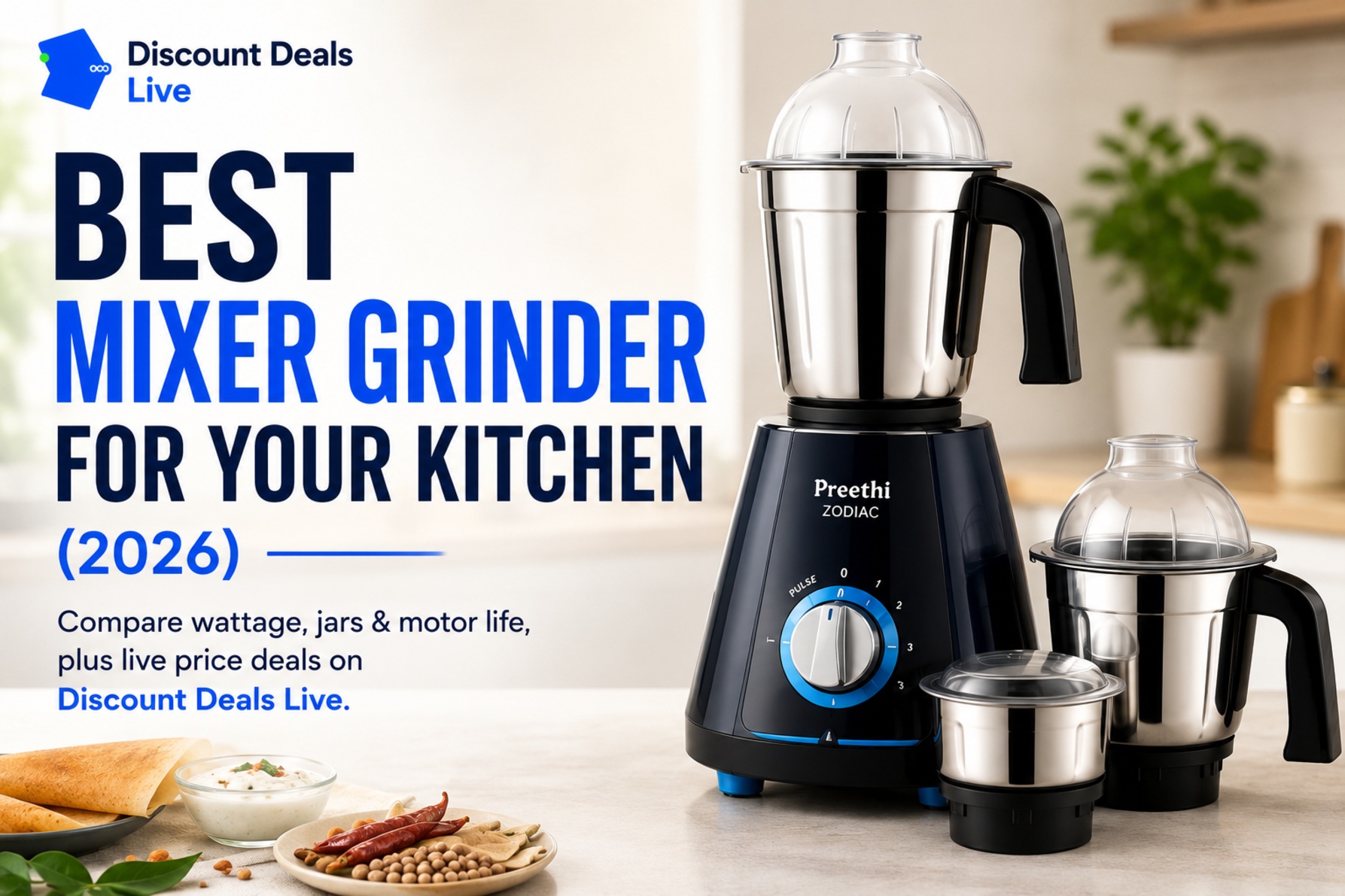
Looking for the best mixer grinder for your kitchen? Compare wattage, jars & motor life, plus live price deals on Discount Deals Live.

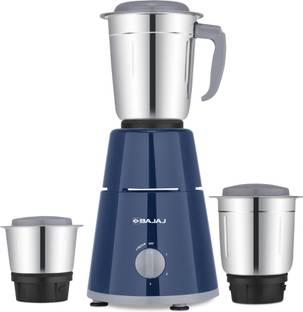
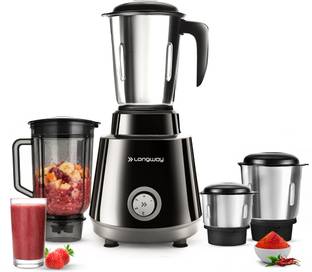
A mixer grinder is one of those appliances that gets used almost daily in most Indian kitchens, which makes motor durability and jar quality matter far more here than in occasional-use gadgets. Wattage numbers get thrown around a lot in marketing, but they're only part of the picture — here's what actually determines whether a mixer grinder holds up to daily use.
What to Check Before Buying
- Motor wattage — 500-750W is a common range for regular home use; higher wattage helps with tougher grinding tasks (like dry masalas or dense batters) but also draws more power
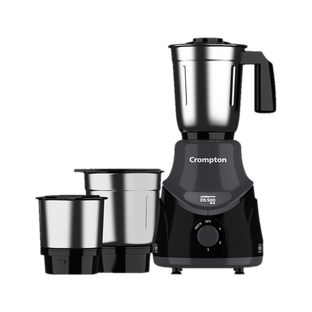
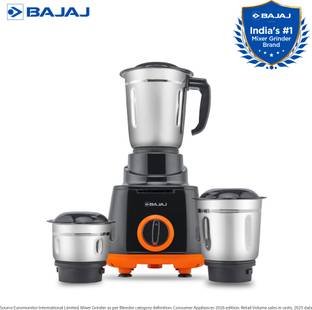
- Number and type of jars — most mixer grinders come with 2-4 jars (wet grinding, dry grinding, chutney) — check that the jar sizes and count actually match your typical cooking needs rather than just counting the number included
- Jar material — stainless steel jars are generally more durable and don't stain or retain odors the way some plastic jars can over time
- Motor overload protection — a genuinely useful safety feature that prevents motor burnout from overloading, especially important for daily heavy use
- Speed settings — multiple speed options offer more control for different textures, from coarse grinding to fine powdering
Pros & Cons of Buying a Mixer Grinder
Pros:
- Genuinely versatile for daily Indian cooking — chutneys, batters, dry spice grinding, and more, often replacing several single-purpose gadgets
- Higher wattage models handle tougher grinding tasks that lower-powered blenders struggle with
- Stainless steel jar options at reasonable prices have become widely available
- Compact enough for most kitchen counters compared to larger stand mixers
Cons:
- Noise levels can be significant, especially at higher speeds or with tougher ingredients
- Motor life varies noticeably between brands even at similar price points and wattage claims
- Jar lids and rubber seals wear out over time and often need replacement before the main unit does
For Daily Heavy Use (Batters, Chutneys, Dals)
If your kitchen relies on the mixer grinder multiple times a day:
- Prioritize higher wattage (600W+) for consistent performance under frequent use
- Look specifically for motor overload protection, since this becomes more relevant with heavier daily use
- Stainless steel jars hold up better long-term than plastic under frequent, heavy use
a well-reviewed high-wattage mixer grinder for daily heavy use — LINK is a commonly recommended option for busy kitchens.
For Occasional or Light Use
If you mainly need it for occasional chutneys, small batches, or light grinding tasks:
- A mid-range wattage (500-550W) is generally sufficient without paying extra for capacity you won't use regularly
- Fewer jars can be a reasonable trade-off if your needs are limited to one or two specific tasks
- Compact, lighter models are easier to store if counter space is limited
a compact mixer grinder suited for occasional light use — LINK works well for smaller households.
Understanding Wattage Claims
Higher advertised wattage doesn't always translate directly to better grinding performance — motor build quality, jar blade design, and gear mechanism all affect actual results. A well-built 500W mixer grinder can outperform a poorly built 750W one for everyday tasks. Reviews specifically mentioning performance on tough ingredients (like dry chana dal or whole spices) are more useful than the wattage number alone.
Maintenance Tips for Longer Motor Life
- Avoid running the motor continuously for extended periods without breaks, especially for tougher grinding tasks
- Don't overfill jars beyond the recommended fill line, since this puts extra strain on the motor
- Clean jars and blades promptly after use to prevent residue buildup that can affect blade performance over time
Quick Comparison Checklist
| Feature | What to look for |
|---|---|
| Wattage | 500-750W depending on usage intensity |
| Jars | Match count and size to actual cooking needs |
| Jar material | Stainless steel preferred for durability |
| Safety | Motor overload protection |
| Speed settings | Multiple settings for texture control |
Today's Best Deals on Mixer Grinders
Prices on kitchen appliances shift with sale events and bank offers. Check live pricing before you buy:
- See real-time results for this exact search on Best Mixer Grinders — Live Search
- Browse the full Kitchen & Dining category for related deals
- Compare listings across Amazon Deals and Flipkart Deals side by side
Frequently Asked Questions
Is higher wattage always better for a mixer grinder?
Not necessarily — motor build quality and jar design matter as much as raw wattage numbers. A well-engineered lower-wattage model can outperform a poorly built higher-wattage one, especially for everyday tasks like chutneys and batters.
How many jars do I actually need?
This depends on your cooking habits — a wet grinding jar and a dry grinding jar cover most daily needs, while a smaller chutney jar is a useful addition if you make chutneys or small-batch grinding frequently. Buying based on your actual usage patterns is more useful than choosing based on jar count alone.
Why do mixer grinder motors sometimes burn out quickly?
This is often due to overloading the jar beyond the recommended capacity, running the motor continuously without breaks during tough grinding tasks, or general motor quality differences between brands and price points. Following usage guidelines and choosing a model with overload protection reduces this risk.
Stainless steel or plastic jars — which is better?
Stainless steel jars are generally more durable, don't stain, and handle hot ingredients better than plastic. Plastic jars are usually lighter and sometimes cheaper, but can wear, stain, or retain odors over time with heavy use.
Check Best Deals for current live pricing on mixer grinders before you buy — the same model can be priced differently across platforms depending on ongoing offers.