







Best Hair Straighteners in India (2026)
Looking for the best hair straightener for your hair type? Compare plate material, temperature control & size, plus live deals on Discount Deals Live.
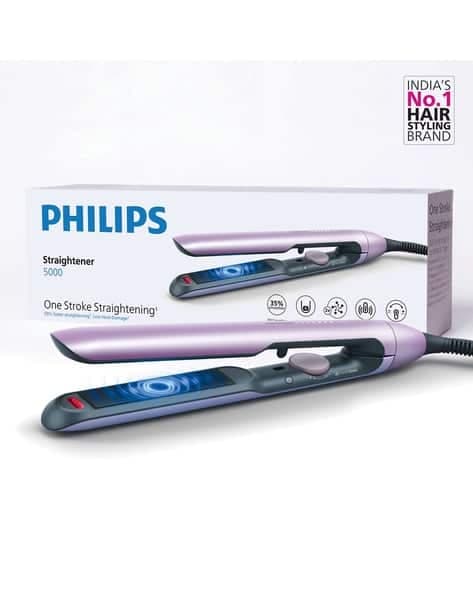

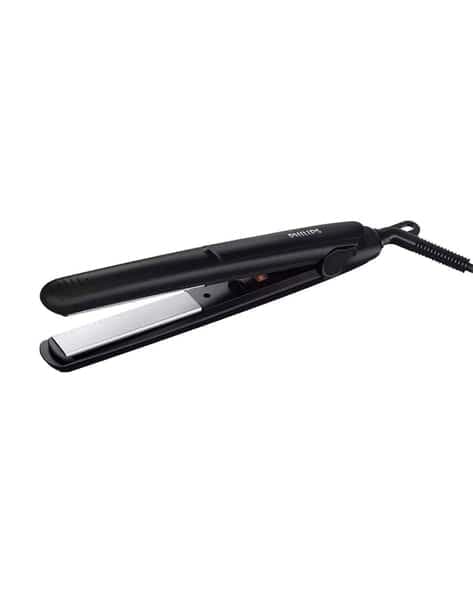


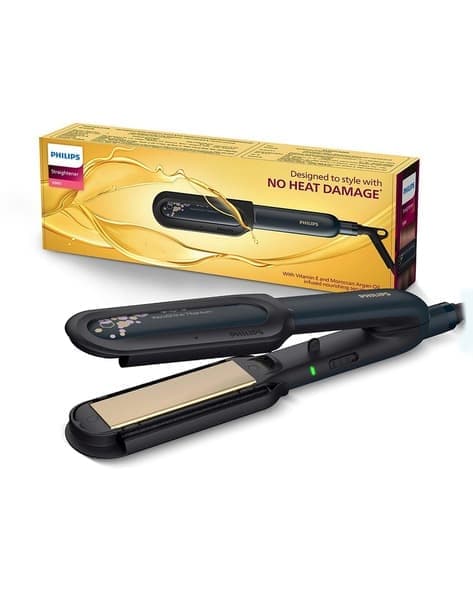
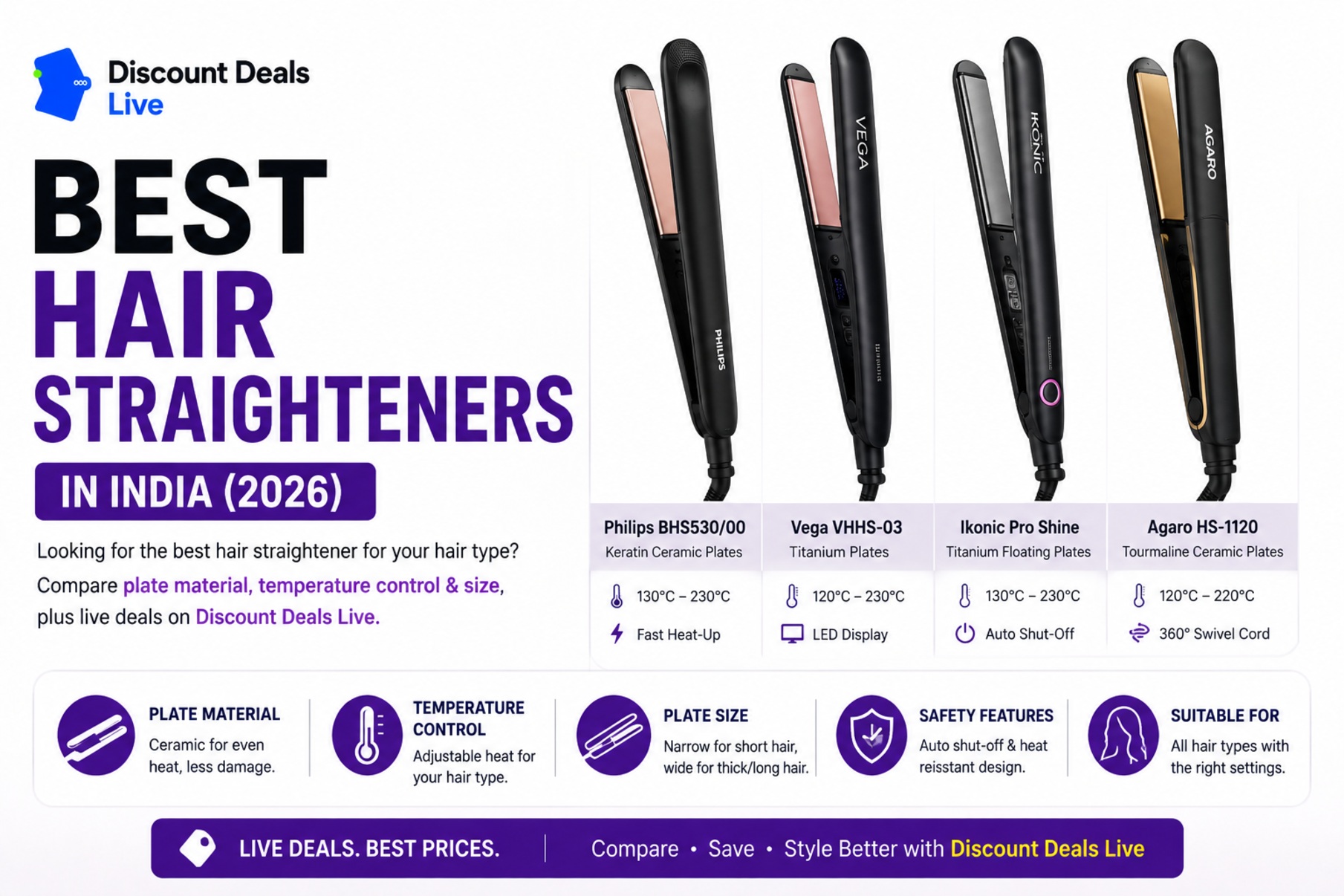
A hair straightener applies direct, concentrated heat to hair, which makes plate material and temperature control genuinely important — more so than with most other hair tools. Getting these wrong doesn't just mean a less effective style, it can mean real damage from excessive or uneven heat over repeated use.
Plate Material and What It Means
- Ceramic plates — heat evenly and are generally gentler on hair, a common and reliable choice for most hair types, especially those newer to straightening or with more delicate hair
- Titanium plates — heat up faster and retain higher temperatures more consistently, often preferred for thick or coarse hair that needs more sustained heat, though they can be less forgiving if temperature isn't managed carefully
- Tourmaline-infused plates — often combined with ceramic, designed to release negative ions that can help reduce frizz and add shine, similar in concept to ionic technology in hair dryers
Understanding Temperature Control
Adjustable temperature settings matter significantly, since different hair types require different heat levels for effective, lower-damage styling:
- Fine or damaged hair — generally does better with lower temperatures (around 130-160°C), since it's more vulnerable to heat damage
- Medium/normal hair — typically works well in the 160-190°C range
- Thick or coarse hair — may need higher temperatures (190-220°C) for effective styling, though even here, using the lowest effective temperature reduces cumulative damage over time
A straightener without adjustable temperature control makes it harder to match heat to your specific hair's needs, which is a meaningful limitation for anyone using it regularly.
What to Check Before Buying
- Plate width — narrower plates (around 1 inch) offer more precision for shorter hair or detailed styling, while wider plates cover more hair per pass, useful for longer or thicker hair
- Heat-up time — a genuinely convenient feature for daily use, reducing the wait before you can start styling
- Auto shut-off — an important safety feature, particularly relevant given how often straighteners are accidentally left on
- Floating plates — plates that adjust slightly to hair thickness as you pull the straightener through, helping apply more even pressure and heat distribution
Pros & Cons: Ceramic vs Titanium Plates
Ceramic Plates:
- Pros: gentler, even heat distribution, generally more forgiving for regular use
- Cons: may take slightly longer to achieve results on very thick or coarse hair compared to titanium
Titanium Plates:
- Pros: faster heat-up, retains consistent high heat well, effective for thick or resistant hair
- Cons: less forgiving if temperature isn't carefully managed, can be more damaging with improper technique
For Fine or Damaged Hair
If your hair is fine, color-treated, or already somewhat damaged:
- Ceramic plates are generally the gentler, more forgiving choice
- Prioritize a straightener with precise, lower-range temperature control
- Using a heat protectant spray before straightening adds an important extra layer of protection regardless of the tool's features
a well-reviewed ceramic straightener with adjustable low-heat settings — LINK is a commonly recommended option for this hair type.
For Thick or Coarse Hair
If your hair is thick, coarse, or naturally curly and resistant to straightening:
- Titanium plates handle the sustained heat needed for this hair type more efficiently
- Wider plates can reduce the number of passes needed, cutting down total heat exposure time
- Higher maximum temperature range is genuinely useful here, though starting at the lowest effective setting is still worth trying first
a well-reviewed titanium straightener with wide plates for thick hair — LINK works well for this hair type.
Reducing Heat Damage While Straightening
- Always use a heat protectant product before applying direct heat, regardless of the straightener's plate material
- Work in small, manageable sections rather than trying to straighten large amounts of hair in one pass, which often leads to uneven results and repeated passes over the same section
- Use the lowest temperature that still achieves your desired result, rather than defaulting to maximum heat
- Avoid straightening the same section repeatedly in one session, since this concentrates heat exposure and increases damage risk
Quick Comparison Checklist
| Hair type | Recommended plate material | Suggested temperature range |
|---|---|---|
| Fine/damaged | Ceramic | 130-160°C |
| Normal/medium | Ceramic or titanium | 160-190°C |
| Thick/coarse | Titanium | 190-220°C |
Today's Best Deals on Hair Straighteners
Prices on hair styling tools shift with sale events and bank offers. Check live pricing before you buy:
- See real-time results for this exact search on Best Hair Straighteners — Live Search
- Browse the full Beauty & Personal Care category for related deals
- Compare listings across Amazon Deals, Flipkart Deals, and Nykaa Deals side by side
Frequently Asked Questions
Is titanium or ceramic better for hair straighteners?
Ceramic is generally gentler and more forgiving, making it a solid default choice for most hair types, particularly fine or damaged hair. Titanium heats faster and holds higher temperatures more consistently, which benefits thick or coarse hair that needs sustained heat, but requires more careful temperature management.
What temperature should I use for my hair type?
Fine or damaged hair generally does better around 130-160°C, normal hair in the 160-190°C range, and thick or coarse hair may need 190-220°C for effective results. Starting at the lower end of your range and increasing only if needed helps minimize cumulative heat damage.
Do I really need a heat protectant if my straightener has good plates?
Yes — heat protectant products provide a separate layer of protection that plate material and temperature control alone don't fully replace. Using one consistently, regardless of your straightener's features, is one of the most effective ways to reduce heat damage over time.
How often can I safely straighten my hair without causing damage?
This varies significantly by hair type and condition, but many hair care experts recommend limiting heat styling to a few times a week rather than daily, when possible, along with using a heat protectant and choosing the lowest effective temperature each time.
Check Best Deals for current live pricing on hair straighteners before you buy — the same model can be priced differently across platforms depending on ongoing offers.