


















Best Face Washes in India (2026)
Looking for the best face wash for your skin type? Compare ingredients, formula type & pH balance, plus live price deals on Discount Deals Live.



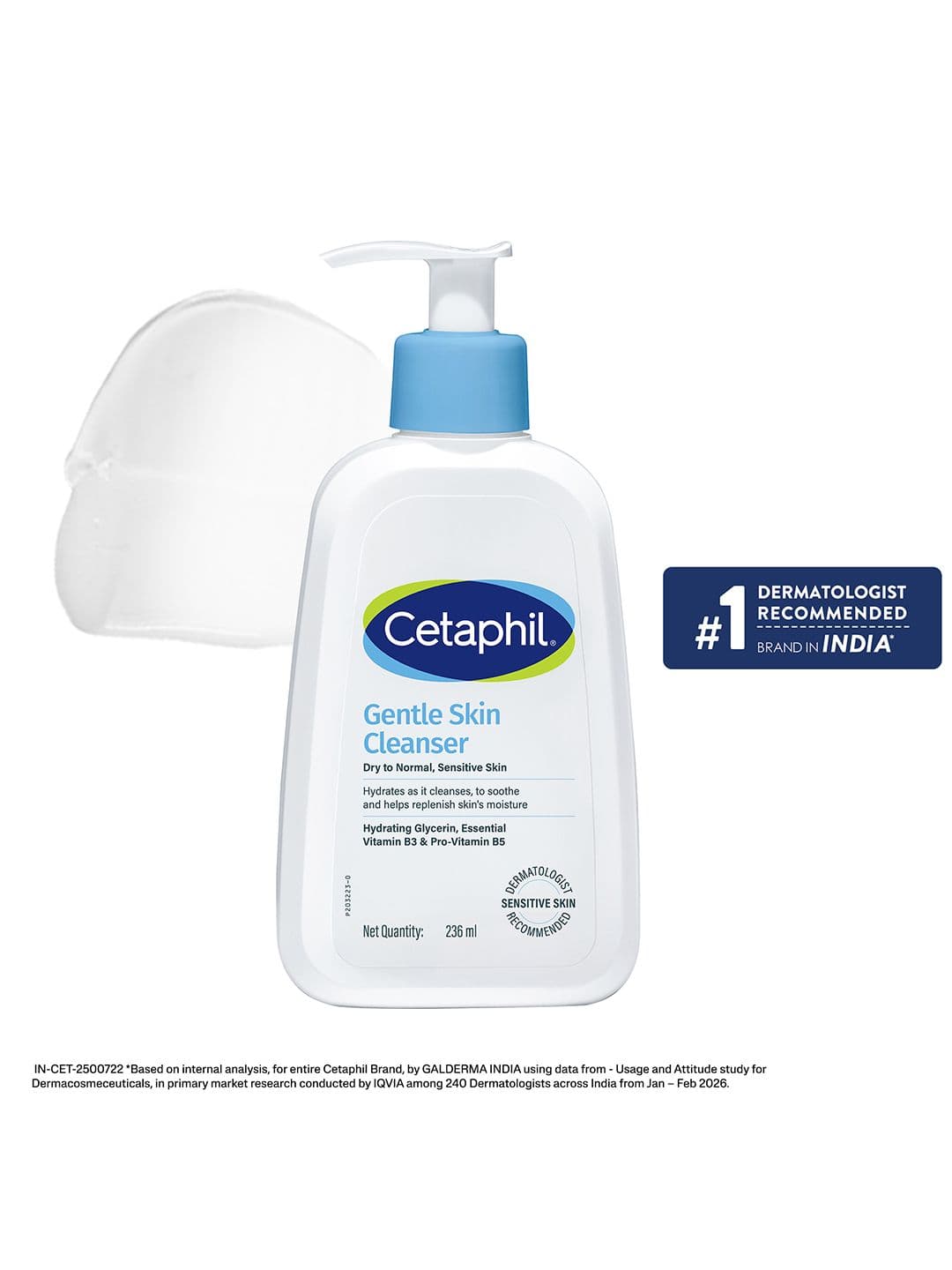
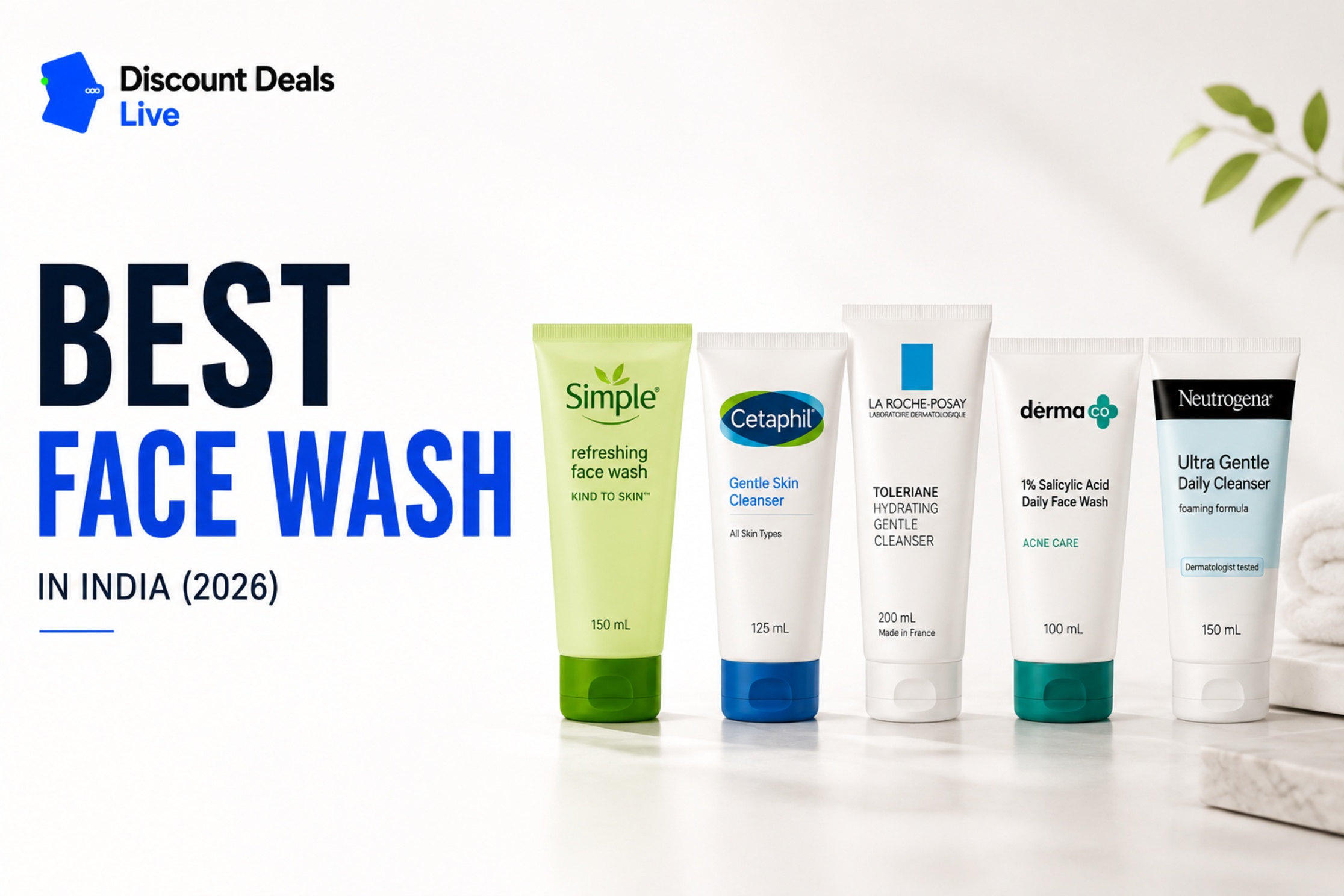
Face wash is one of the most-used skincare products in a daily routine, which makes matching the formula to your actual skin type more important than chasing trending ingredients. A face wash that works well for someone else's oily skin can leave dry or sensitive skin feeling stripped and irritated. Here's how to choose based on what your skin actually needs.
Understanding Formula Types
- Gel-based cleansers — generally suited for oily and combination skin, offering a lightweight, deep-cleaning feel without heavy residue
- Cream-based cleansers — better suited for dry or sensitive skin, providing a gentler clean with added hydration compared to foaming formulas
- Foaming cleansers — popular for a "squeaky clean" feel, but can be stripping for dry or sensitive skin if the formula isn't specifically balanced for gentleness
- Micellar-based cleansers — use micelle molecules to lift away dirt and makeup without harsh rubbing, often gentler and suited for sensitive skin or those who prefer a lighter cleansing routine
Key Ingredients to Know
- Salicylic acid — commonly used in formulas targeted at acne-prone or oily skin, helps with exfoliation and pore-clearing, though it can be drying for some skin types with frequent use
- Hyaluronic acid — often added to hydrate while cleansing, useful for those wanting to cleanse without stripping moisture, particularly relevant for dry or combination skin
- Niacinamide — increasingly common in face washes, associated with helping balance oil production and support overall skin barrier health
- Glycolic acid — another exfoliating ingredient, generally milder in a rinse-off face wash format compared to leave-on treatments, but still worth introducing gradually if you're new to it
What to Check Before Buying
- pH balance — skin's natural pH is slightly acidic, and cleansers formulated close to this range are generally gentler than highly alkaline formulas, which can disrupt the skin barrier over time
- Fragrance-free options — worth prioritizing for sensitive skin, since added fragrance is a common irritant
- Sulfate-free formulas — sulfates can be more stripping for some skin types, and sulfate-free options are increasingly available for those with dry or sensitive skin
- Patch testing new products — a genuinely useful practice before fully incorporating any new face wash into your routine, particularly for sensitive or reactive skin
Pros & Cons by Skin Type Formula
Gel/Foaming (Oily-Skin Focused):
- Pros: effectively removes excess oil, lightweight feel, often includes acne-focused ingredients
- Cons: can be drying or irritating if used on dry or sensitive skin
Cream/Hydrating (Dry-Skin Focused):
- Pros: gentler, adds hydration while cleansing, less likely to strip natural oils
- Cons: may feel insufficient for very oily skin needing deeper cleansing
For Oily and Acne-Prone Skin
If your skin tends to be oily or acne-prone:
- Gel-based formulas with salicylic acid are commonly recommended for this skin type
- Look for "non-comedogenic" labeling to reduce pore-clogging risk
- Avoid over-cleansing, which can trigger excess oil production as skin tries to compensate for dryness
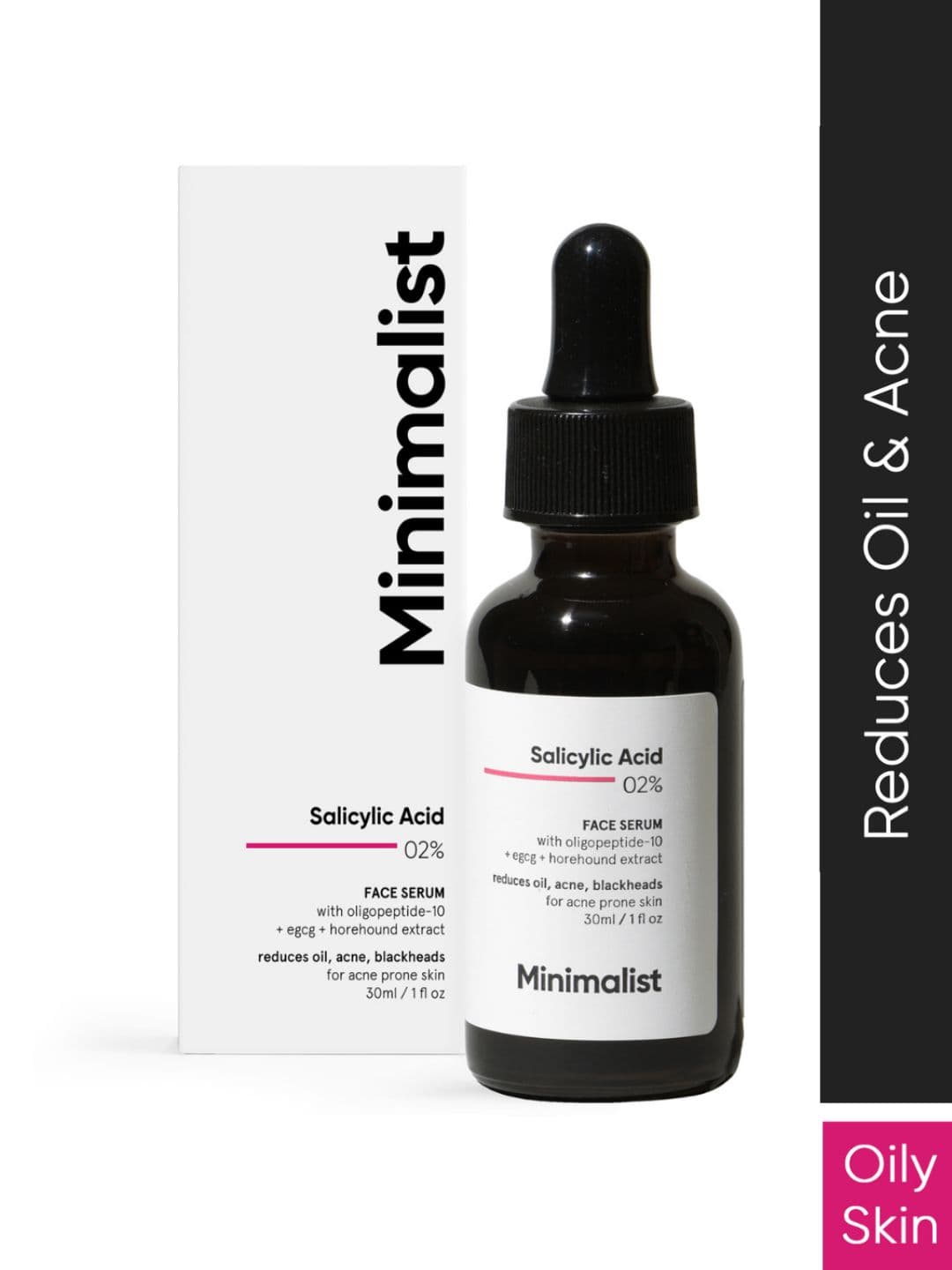
a well-reviewed gel face wash with salicylic acid for oily skin — LINK is a commonly recommended option for this skin type.
For Dry or Sensitive Skin
If your skin tends to be dry, sensitive, or easily irritated:
- Cream-based or micellar cleansers are generally gentler options
- Fragrance-free, hyaluronic-acid-containing formulas help maintain hydration while cleansing
- Patch testing new products is particularly important for sensitive skin before full use
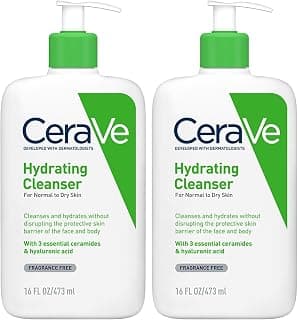
a well-reviewed hydrating, fragrance-free face wash for sensitive skin — LINK works well for this skin type.
For Combination Skin
Combination skin (oily T-zone, drier cheeks) can be genuinely tricky to address with a single product. A gentle, balanced gel-cream formula that cleanses without over-stripping is often a reasonable starting point, though some people with combination skin choose to use slightly different products for different areas of the face.
When to Consider Consulting a Dermatologist
For persistent acne, ongoing irritation, or skin conditions that don't improve with general over-the-counter products, consulting a dermatologist is the more reliable path than continuing to try different face washes based on general guidance alone. General buying advice like this can help with day-to-day skin comfort but isn't a substitute for professional evaluation of specific, persistent skin concerns.
Quick Comparison Checklist
| Skin type | Recommended formula |
|---|---|
| Oily/acne-prone | Gel-based, salicylic acid, non-comedogenic |
| Dry | Cream-based, hydrating, sulfate-free |
| Sensitive | Micellar or cream-based, fragrance-free |
| Combination | Gentle gel-cream balance |
Today's Best Deals on Face Washes
Prices on skincare products shift with sale events and bank offers. Check live pricing before you buy:
- See real-time results for this exact search on Best Face Washes — Live Search
- Browse the full Beauty & Personal Care category for related deals
- Compare listings across Amazon Deals, Flipkart Deals, and Nykaa Deals side by side
Frequently Asked Questions
How often should I wash my face?
A commonly cited general guideline is twice daily — morning and evening — though this can vary based on skin type, activity level, and specific product recommendations. Over-cleansing, especially with harsh formulas, can sometimes trigger more oil production or irritation.
Is a foaming face wash bad for my skin?
Not inherently, but foaming formulas (especially those with sulfates) can be more stripping for dry or sensitive skin. For oily skin, a well-formulated foaming cleanser can work well; for drier or more reactive skin, a gentler cream or micellar formula is often more suitable.
What does "non-comedogenic" actually mean?
It indicates the product is formulated to be less likely to clog pores, which is particularly relevant for those prone to acne or breakouts. It's a useful label to look for, though individual skin reactions can still vary.
Should I patch test every new face wash before using it regularly?
For sensitive or reaction-prone skin, yes — applying a small amount to a discreet area of skin and waiting 24-48 hours before full use helps catch potential irritation before it affects your whole face. This is a reasonable practice for anyone trying a new product, though the risk is generally lower for non-sensitive skin.
Check Best Deals for current live pricing on face washes before you buy — the same product can be priced differently across platforms depending on ongoing offers.