









Best Electric Toothbrushes in India (2026)
Looking for the best electric toothbrush? Compare brush types, features & battery life, plus live price deals on Discount Deals Live.
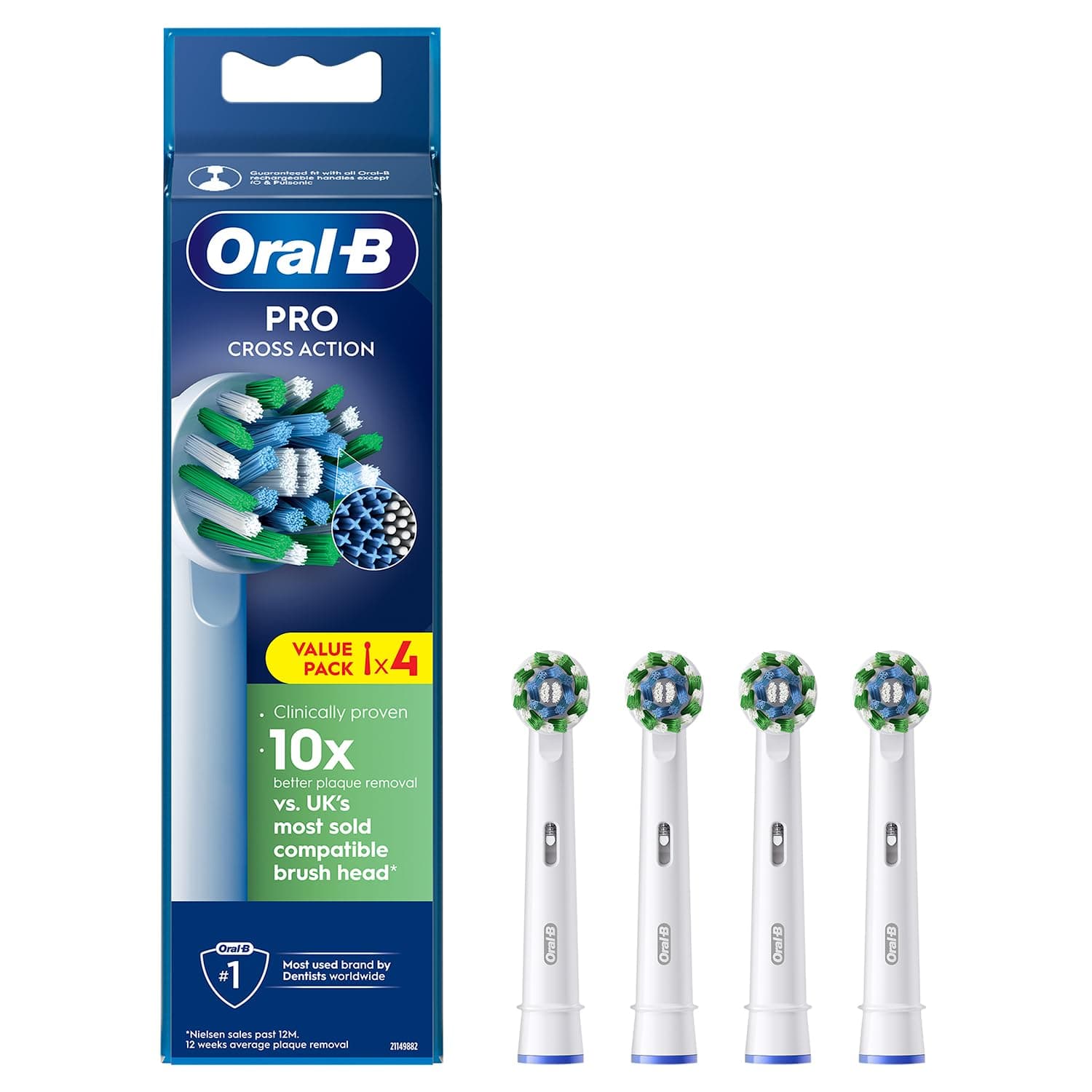
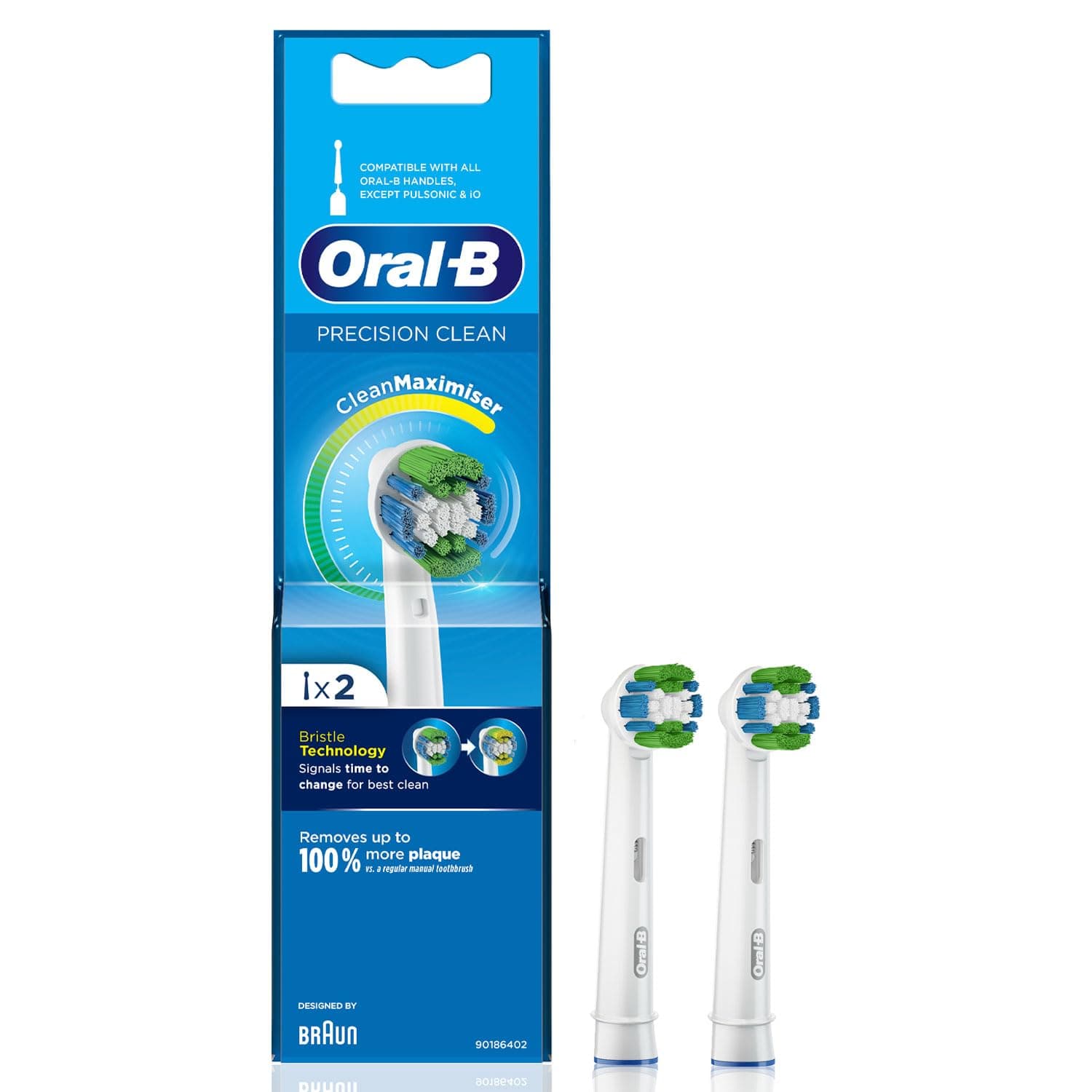
Oral-B ORIGINAL Cross Action Electric Toothbrush Soft Replacement Brush Heads [10X POWERFUL THAN COMPATIBLE PRODUCTS] For Vitalty,Pro,Smart Series, 4 refills, Deep clean between teeth

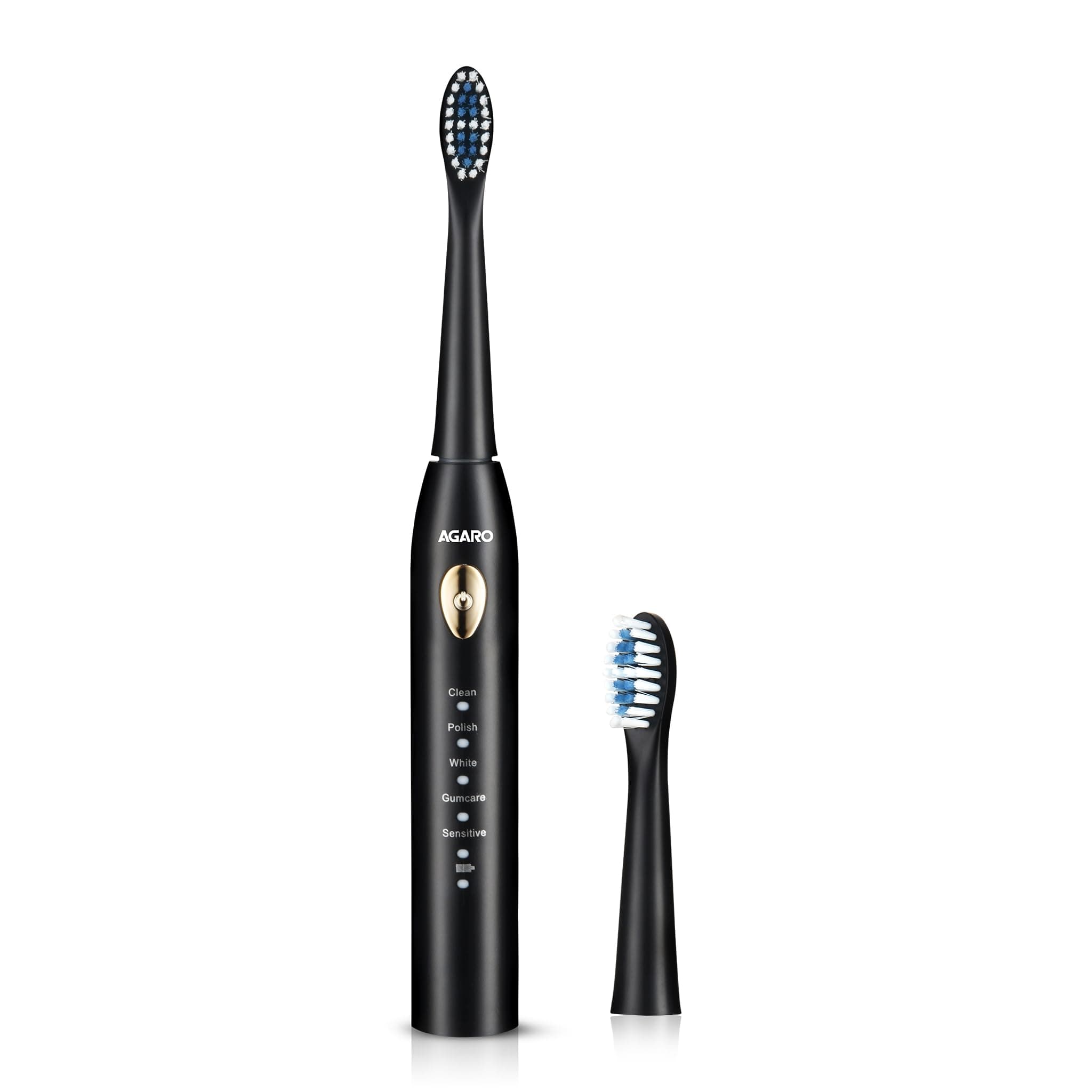
AGARO COSMIC LITE Sonic Electric Tooth Brush For Adults With 5 Modes, 2 Brush Heads & Rechargeable With 4 Hours Charge Lasting Up To 25 Days, Power Toothbrush, (Black)


Electric toothbrushes have become widely accessible, moving well beyond a premium-only purchase. The core technology differences (sonic vs oscillating) and features like pressure sensors genuinely affect brushing effectiveness and gum health, so it's worth understanding these before choosing based on price or brand alone.
Sonic vs Oscillating Brush Technology
- Sonic toothbrushes — use high-frequency vibrations to move the brush head back and forth rapidly, which also creates a fluid dynamic effect that helps clean between teeth and along the gumline
- Oscillating-rotating toothbrushes — the brush head rotates and pulsates against each tooth individually, a technology commonly associated with certain established electric toothbrush brands
- Both technologies are generally effective for improving plaque removal and gum health compared to manual brushing when used correctly; the choice often comes down to personal preference for brushing sensation rather than one being definitively superior for most users
What to Check Before Buying
- Pressure sensor — alerts you (often through vibration or a light indicator) when you're brushing too hard, which helps prevent gum and enamel damage from excessive pressure over time
- Timer function — many electric toothbrushes include a 2-minute timer with 30-second interval alerts, encouraging the dentist-recommended brushing duration and even coverage across all quadrants of the mouth
- Battery life and charging — check the number of days/weeks of use per charge, and whether it uses a standard charging base or USB charging, which affects long-term convenience
- Brush head replacement cost and availability — an ongoing cost worth factoring in, since brush heads typically need replacement every 3 months regardless of the toothbrush handle's price
- Multiple brushing modes — features like sensitive, whitening, or gum-care modes adjust intensity for different needs, useful if you have specific dental sensitivities or goals
Pros & Cons of Electric vs Manual Toothbrushes
Electric Toothbrushes:
- Pros: generally more effective at consistent, even brushing motion, built-in timers encourage proper brushing duration, pressure sensors help prevent over-brushing
- Cons: higher upfront cost, ongoing brush head replacement expense, requires charging
Manual Toothbrushes:
- Pros: lower cost, no charging or battery concerns, widely available
- Cons: brushing technique and duration depend entirely on the user's own consistency and effort
For Sensitive Teeth or Gums
If you have sensitive teeth or gum concerns:
- Look for a dedicated "sensitive" brushing mode with gentler vibration intensity
- A pressure sensor is particularly valuable here to help avoid aggravating sensitive gums
- Softer bristle brush heads (often labeled specifically for sensitive use) pair well with a gentler brushing mode
a well-reviewed electric toothbrush with a sensitive mode and pressure sensor — LINK is a commonly recommended option for this need.
For General Daily Use
If you're looking for a reliable, straightforward option for everyday brushing:
- A basic sonic or oscillating toothbrush with a timer and pressure sensor covers most daily needs well
- Battery life of at least 1-2 weeks per charge reduces the hassle of frequent charging
- Checking brush head replacement cost and availability locally is worth doing before committing to a specific brand ecosystem
a well-reviewed electric toothbrush suited for everyday use — LINK works well for general daily brushing.
Understanding Ongoing Costs
Unlike a manual toothbrush, an electric toothbrush has an ongoing cost beyond the initial purchase — replacement brush heads, typically needed every 3 months for effective cleaning, similar to how manual toothbrush bristles wear down and lose effectiveness over time. It's worth checking the price and availability of replacement heads for a specific model before buying, since some brands' replacement heads are pricier or less widely available than others.
Quick Comparison Checklist
| Feature | What to look for |
|---|---|
| Technology | Sonic or oscillating, based on personal preference |
| Pressure sensor | Helps prevent gum/enamel damage from over-brushing |
| Timer | 2-minute timer with interval alerts |
| Battery life | At least 1-2 weeks per charge for convenience |
| Brush head cost | Check ongoing replacement cost before buying |
Today's Best Deals on Electric Toothbrushes
Prices on personal care devices shift with sale events and bank offers. Check live pricing before you buy:
- See real-time results for this exact search on Best Electric Toothbrushes — Live Search
- Browse the full Beauty & Personal Care category for related deals
- Compare listings across Amazon Deals and Flipkart Deals side by side
Frequently Asked Questions
Is an electric toothbrush actually better than a manual one?
Studies and general dental guidance often suggest electric toothbrushes can improve plaque removal and encourage more consistent brushing habits (through timers and pressure sensors) compared to manual brushing. That said, proper technique with a manual toothbrush can still be effective — consistency and technique matter as much as the tool itself. For personalized advice, a dentist can assess your specific oral health needs.
How often do I need to replace the brush head?
A commonly recommended interval is every 3 months, similar to manual toothbrush replacement guidance, or sooner if bristles appear visibly worn or frayed. Using a worn brush head reduces cleaning effectiveness regardless of the toothbrush handle's technology.
Do I need a pressure sensor, or is it just an extra feature?
It's a genuinely useful feature, since brushing too hard over time can contribute to gum recession and enamel wear. If you tend to brush firmly, a pressure sensor provides helpful real-time feedback that a manual toothbrush can't offer.
Sonic or oscillating — which should I choose?
Both are generally effective technologies when used correctly, and the choice often comes down to personal preference for brushing sensation. If you have specific dental concerns, discussing which technology might suit your particular needs with a dentist can provide more tailored guidance.
Check Best Deals for current live pricing on electric toothbrushes before you buy — the same model can be priced differently across platforms depending on ongoing offers.