

Best Electric Kettles in India (2026)
Looking for the best electric kettle for your kitchen? Compare capacity, material & safety features, plus live price deals on Discount Deals Live.


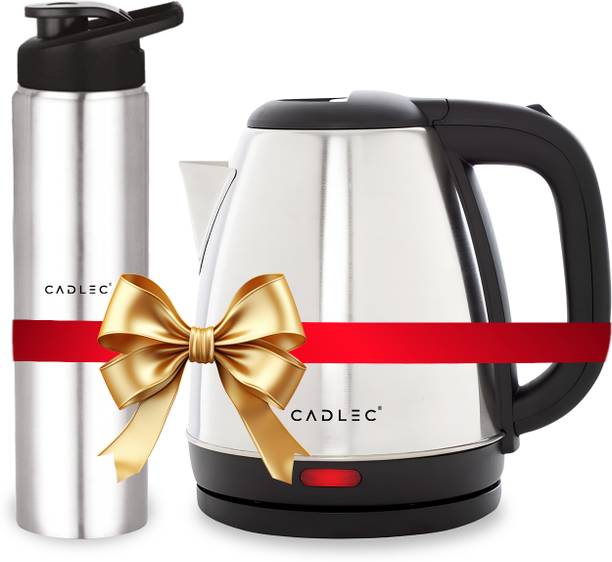


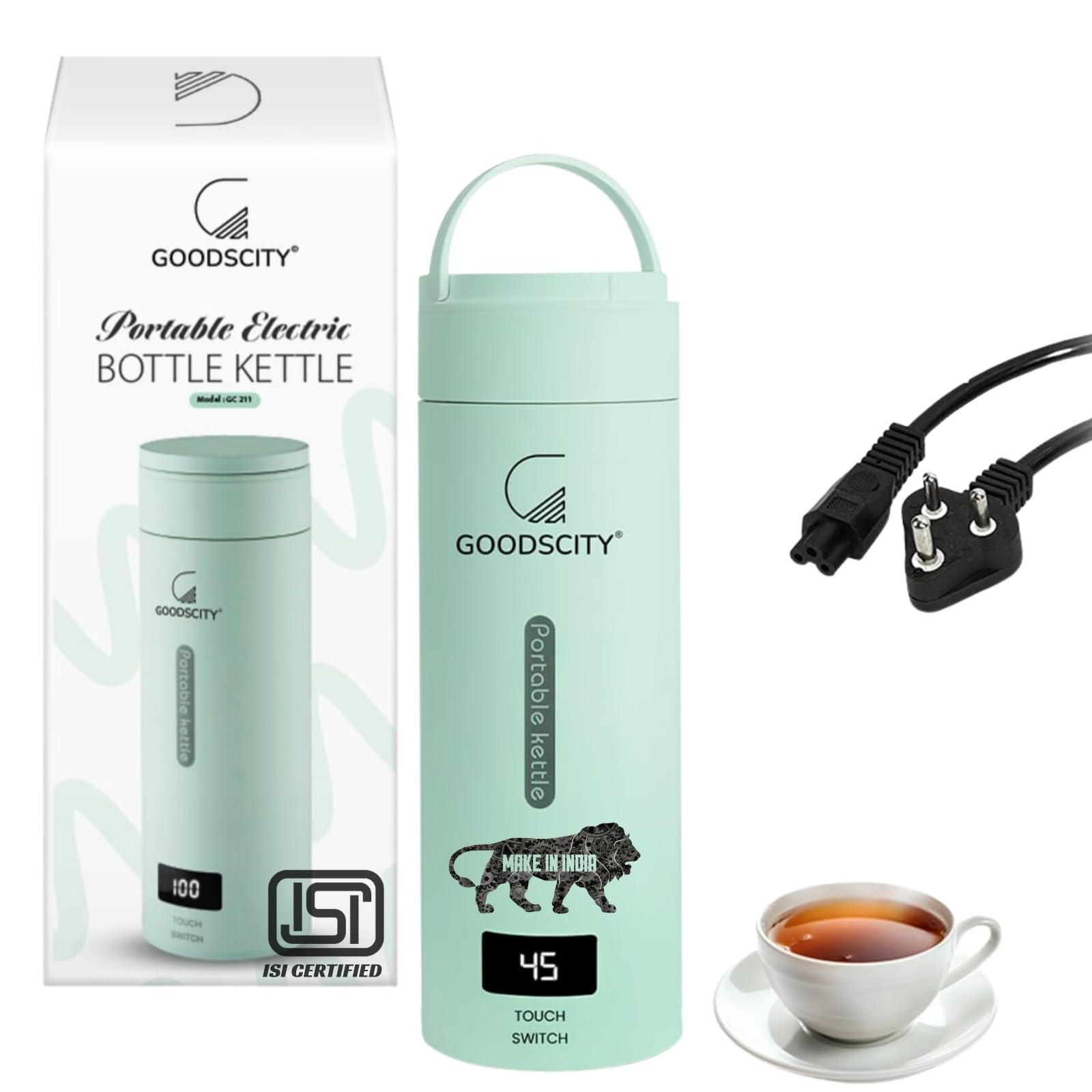
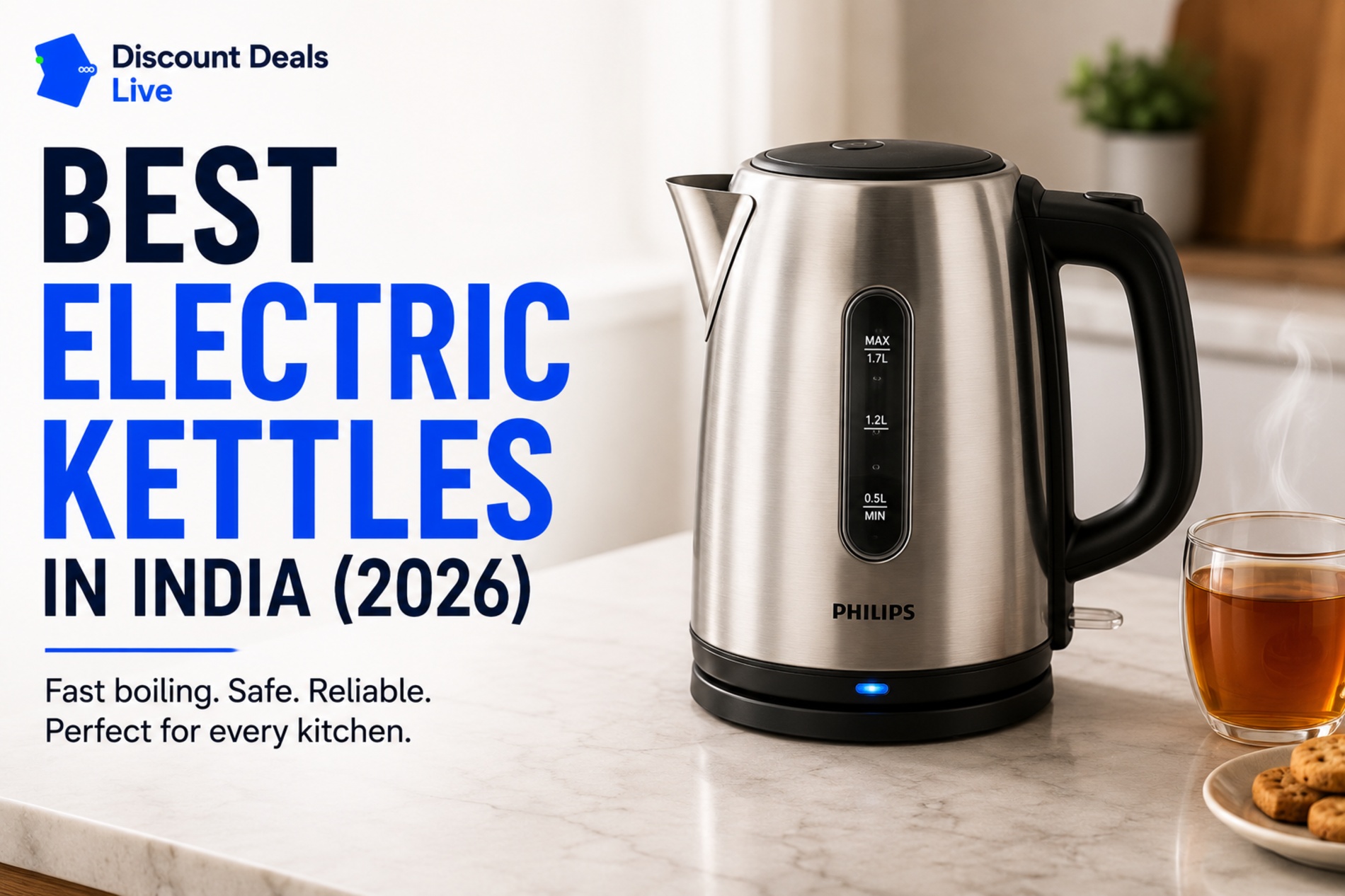
An electric kettle seems like a simple purchase until you realize how much material, capacity, and safety features actually vary between models at similar prices. For something used daily — often multiple times a day for tea, coffee, or instant meals — getting these details right makes a real difference in convenience and longevity.
What to Check Before Buying
- Capacity — 1-1.5 litres suits most individuals and small households, while 1.7-2 litres works better for larger families or frequent entertaining
- Material — stainless steel is generally more durable and doesn't retain flavors or odors the way some plastic kettles can; glass kettles offer visibility of the boiling process but require more careful handling
- Auto shut-off — a genuinely important safety feature that turns the kettle off automatically once water reaches boiling point, reducing both energy waste and safety risk
- Boil-dry protection — prevents damage to the heating element if the kettle is accidentally switched on without enough water inside
- Wattage — higher wattage generally means faster boiling time; 1500W+ is common for reasonably quick boiling in this category
Pros & Cons of Buying an Electric Kettle
Pros:
- Significantly faster boiling time compared to a stovetop kettle or pan for most daily uses
- Auto shut-off and boil-dry protection make them genuinely safer than manual stovetop boiling for everyday use
- Portable and easy to use in spaces without stovetop access, like offices or hostel rooms
- Low maintenance compared to appliances with more complex mechanisms
Cons:
- Limited to boiling water only, unlike multi-function kettles or small appliances that also heat or cook
- Cheaper plastic models can occasionally impart a slight taste to water, especially when new
- Cord length and base design vary, which can be a minor inconvenience depending on kitchen layout
For Daily Tea/Coffee Use
If you're using the kettle multiple times a day for hot beverages:
- A 1-1.5 litre capacity is generally sufficient and heats up faster than larger kettles
- Stainless steel interior is worth prioritizing for daily use, since it holds up better over time than plastic
- Auto shut-off is close to essential here, given the frequency of use
a well-reviewed stainless steel electric kettle for daily tea/coffee use — LINK is a commonly recommended option for this use case.
For Larger Households or Frequent Entertaining
If you regularly need to boil water for multiple people or larger quantities:
- A 1.7-2 litre capacity reduces the need for multiple boiling cycles
- Check the boiling time specifically in reviews, since larger capacity kettles take longer to reach a full boil
- A wider base with good stability matters more here, given the added weight of a fuller kettle
a higher-capacity electric kettle suited for larger households — LINK works well for this use case.
Glass vs Stainless Steel vs Plastic
- Stainless steel — durable, doesn't retain odors or flavors, generally the most practical choice for daily use
- Glass — lets you see the boiling process and water clarity, though more fragile and requires careful handling
- Plastic (BPA-free) — often the most affordable option, lightweight, but quality varies significantly between brands, so checking for BPA-free certification specifically matters
Temperature Control Kettles: Worth the Extra Cost?
Some electric kettles now include adjustable temperature settings, useful if you regularly prepare different beverages that need different water temperatures (like green tea, which benefits from slightly cooler water than black tea or coffee). If your household mostly uses one type of beverage consistently, a standard boil-only kettle is usually sufficient and more affordable.
Quick Comparison Checklist
| Feature | What to look for |
|---|---|
| Capacity | 1-1.5L for individuals/small households, 1.7-2L for larger families |
| Material | Stainless steel preferred for durability and taste neutrality |
| Safety | Auto shut-off and boil-dry protection |
| Wattage | 1500W+ for reasonably fast boiling |
Today's Best Deals on Electric Kettles
Prices on kitchen appliances shift with sale events and bank offers. Check live pricing before you buy:
- See real-time results for this exact search on Best Electric Kettles — Live Search
- Browse the full Kitchen & Dining category for related deals
- Compare listings across Amazon Deals and Flipkart Deals side by side
Frequently Asked Questions
Is stainless steel really better than plastic for electric kettles?
Stainless steel generally holds up better over time, doesn't retain odors or flavors, and is considered more durable for daily heavy use. Good quality BPA-free plastic kettles are still a reasonable, more affordable option, particularly for lighter or occasional use.
How long do electric kettles typically last?
With regular use and reasonable care (avoiding boiling without enough water, periodic descaling if you have hard water), a well-made electric kettle can comfortably last several years before the heating element or auto shut-off mechanism needs replacement.
Do I need a temperature control kettle, or is a standard one fine?
If you consistently prepare beverages needing different water temperatures (like both green tea and coffee), a temperature control kettle adds genuine convenience. For households mainly boiling water for one consistent use, a standard boil-only kettle is usually sufficient.
Why does my kettle need descaling, and how often?
Mineral deposits (limescale) build up inside the kettle over time, especially with hard water, which can affect heating efficiency and taste. Descaling every 4-8 weeks, depending on water hardness in your area, helps maintain performance and extends the kettle's lifespan.
Check Best Deals for current live pricing on electric kettles before you buy — the same model can be priced differently across platforms depending on ongoing offers.