














Best Ceiling Fans in India (2026)
Looking for the best ceiling fan for your home? Compare sweep size, BEE rating & motor type, plus live price deals on Discount Deals Live.
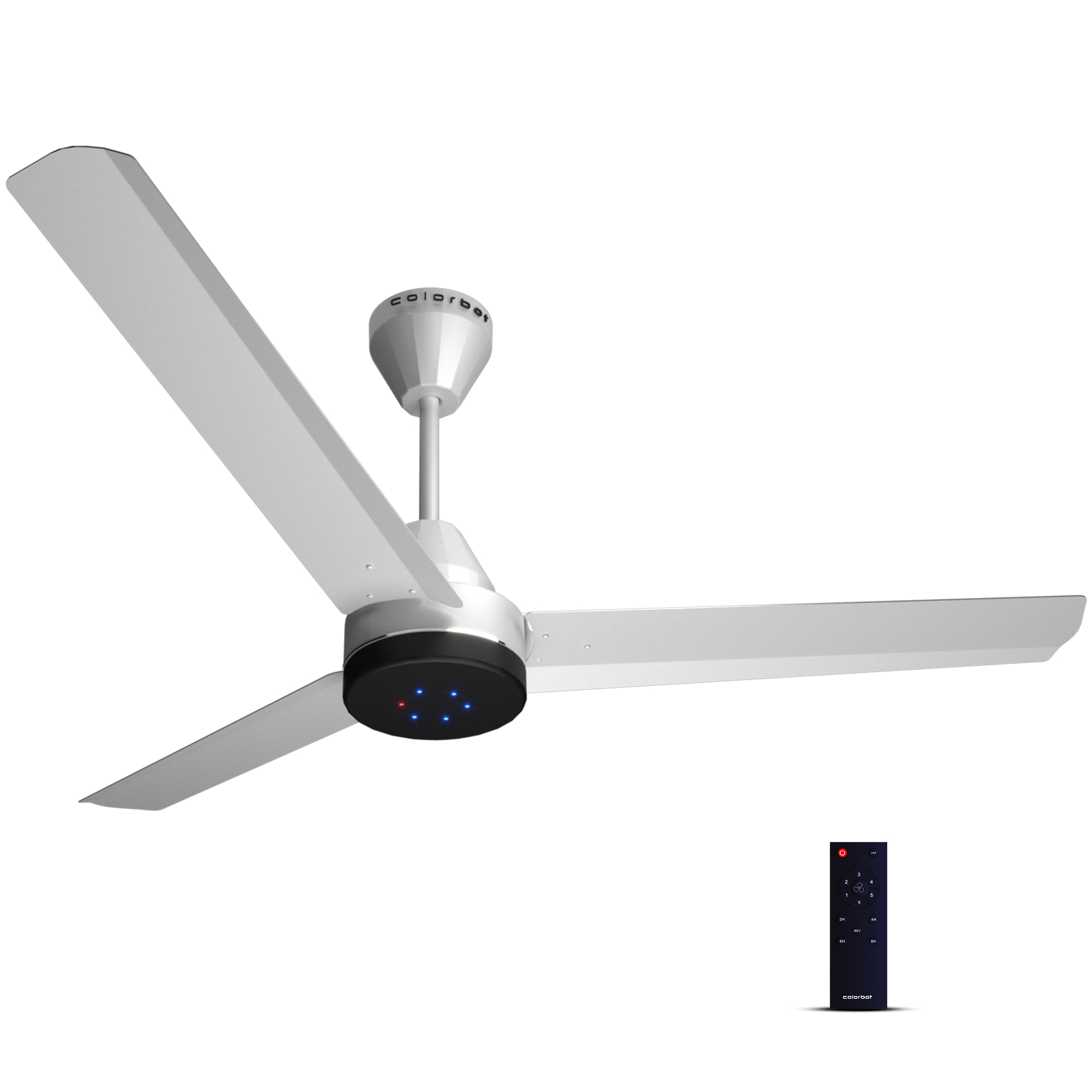

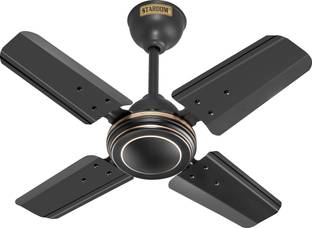

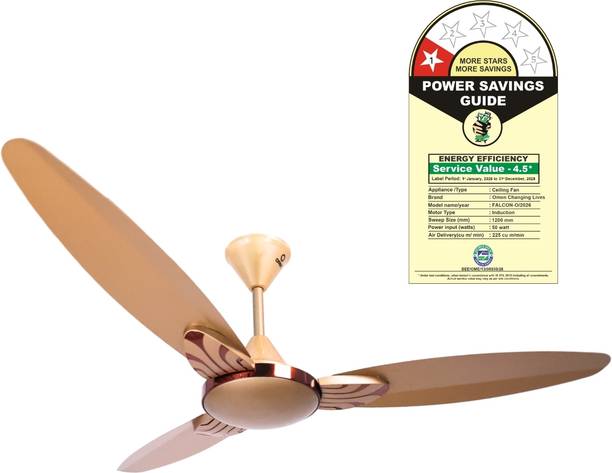
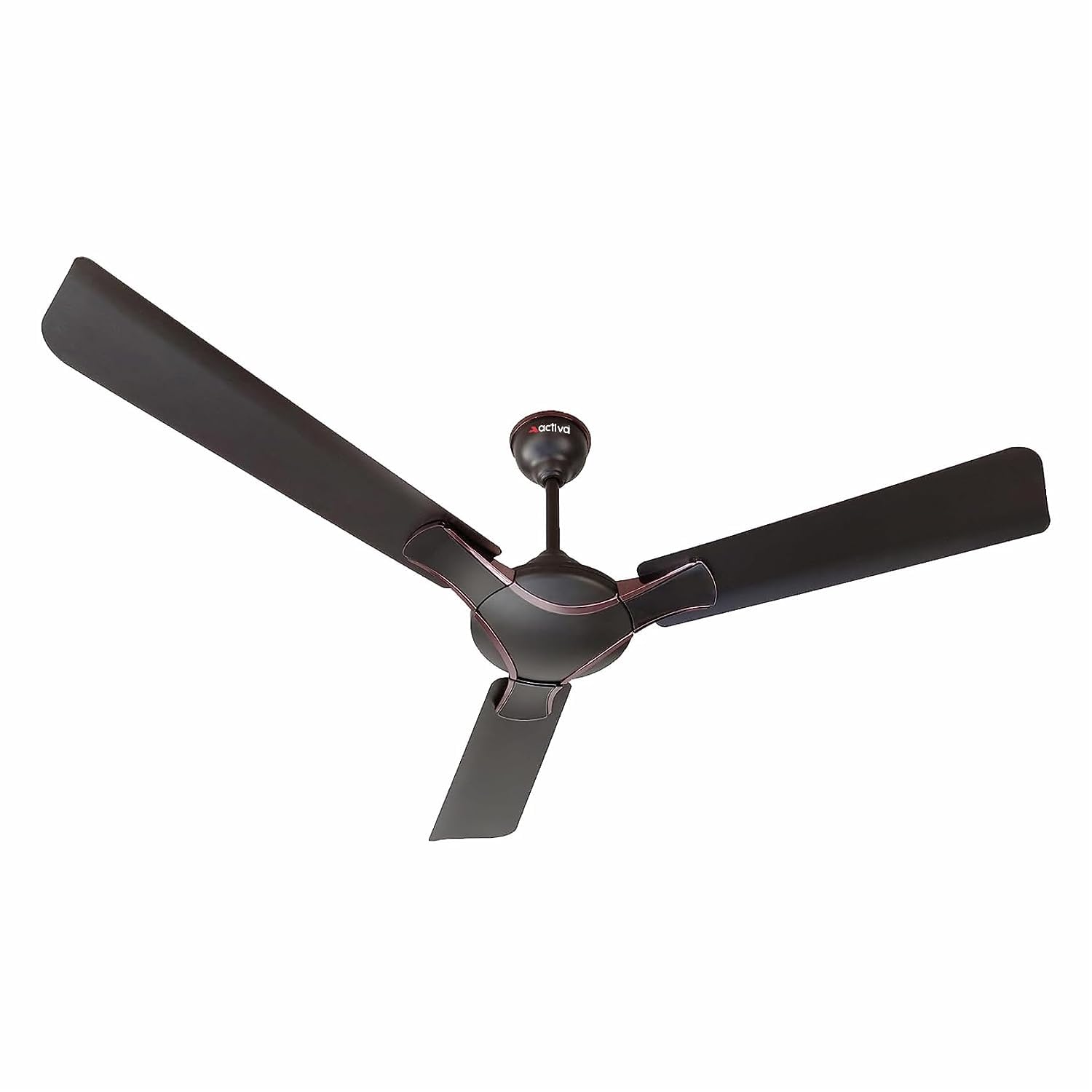
A ceiling fan seems like one of the simplest home purchases, but the difference between a well-chosen fan and a poorly matched one shows up daily — in air delivery, electricity bills, and noise level. With BLDC (Brushless DC) motor fans becoming widely available, this category has genuinely improved in efficiency over the past few years. Here's what to actually check.
Motor Type: BLDC vs Regular Induction Motors
This is the single biggest factor affecting long-term running cost:
- BLDC motor fans — significantly more energy-efficient (often using less than half the electricity of a regular induction motor fan for similar air delivery), generally quieter, and often come with remote control as standard
- Regular induction motor fans — typically cheaper upfront, widely available, but consume more electricity over time and are usually louder at higher speeds
For a fan that runs many hours daily, a BLDC motor fan's higher upfront cost is often recovered through electricity savings within a couple of years, making it worth prioritizing for primary living spaces and bedrooms.
What to Check Before Buying
- Sweep size — measured in millimeters (typically 1200mm for standard rooms); larger sweep sizes (1400mm+) suit bigger rooms and improve air circulation without needing higher speed settings
- BEE star rating — a star rating system specifically for energy efficiency; higher-rated fans consume less electricity for similar air delivery, similar in concept to appliance energy ratings
- Air delivery (CMM) — measured in cubic meters per minute, a more precise indicator of actual airflow performance than just relying on sweep size or brand reputation
- Noise level — worth checking specifically for bedroom fans, since motor noise varies significantly between models even at similar price points
- Remote/app control — increasingly common, offering speed adjustment and sometimes timer functions without needing a wall-mounted regulator
Pros & Cons of BLDC Fans vs Regular Fans
BLDC Motor Fans:
- Pros: significantly lower electricity consumption, generally quieter operation, often includes remote control as standard
- Cons: higher upfront cost compared to regular induction motor fans
Regular Induction Motor Fans:
- Pros: lower upfront cost, widely available in more design and color variety
- Cons: higher electricity consumption over time, generally louder, especially at higher speeds
For Bedrooms
If the fan will run for extended hours, especially overnight:
- Prioritize noise level specifically — check reviews mentioning quiet operation at various speeds
- A BLDC motor fan is worth the extra upfront cost here, given extended daily runtime
- Remote control adds genuine convenience for adjusting speed without getting up
a well-reviewed quiet BLDC ceiling fan for bedrooms — LINK is a commonly recommended option for this use case.
For Living Rooms and Larger Spaces
If the fan needs to cover a bigger area or handle higher occupancy:
- Consider a larger sweep size (1400mm+) for better air circulation in bigger rooms
- Higher air delivery (CMM) matters more here than in smaller, enclosed bedrooms
- Design and finish options are often broader in this category, since living rooms are more visible spaces
a well-reviewed larger-sweep ceiling fan for living rooms — LINK works well for this use case.
Understanding Star Ratings and Energy Savings
BEE star ratings for ceiling fans work similarly to other home appliances — a higher star rating indicates better energy efficiency for a given level of air delivery. While a 5-star rated fan costs more upfront than a 1-star or unrated model, the electricity savings over the fan's lifespan (often running many hours daily across multiple seasons) can meaningfully offset that initial cost difference, particularly in regions with high electricity rates or long usage seasons.
Design Considerations
Beyond function, ceiling fans have become more of a design element in recent years — decorative fans with unique blade shapes, finishes, and even ambient lighting integration are increasingly available. If aesthetics matter for a visible space like a living room, this is worth balancing against pure efficiency metrics, though many BLDC fans now offer both good design and efficiency together.
Quick Comparison Checklist
| Feature | What to look for |
|---|---|
| Motor type | BLDC preferred for efficiency and quiet operation |
| Sweep size | 1200mm standard, 1400mm+ for larger rooms |
| Star rating | Higher rating for long-term electricity savings |
| Control | Remote/app control for convenience |
Today's Best Deals on Ceiling Fans
Prices on ceiling fans shift with sale events and bank offers. Check live pricing before you buy:
- See real-time results for this exact search on Best Ceiling Fans — Live Search
- Browse the full Home & Furnishing category for related deals
- Compare listings across Amazon Deals and Flipkart Deals side by side
Frequently Asked Questions
Is a BLDC fan really worth the higher upfront cost?
For fans running many hours daily, yes — the electricity savings compared to a regular induction motor fan often offset the price difference within a couple of years, and the quieter operation is a genuine day-to-day benefit as well.
What sweep size should I choose for my room?
1200mm is the standard size suitable for most average-sized rooms. For larger rooms (bedrooms or living rooms above typical size), a 1400mm or larger sweep improves air circulation without needing to run the fan at maximum speed constantly.
Does a higher star rating actually mean better air delivery, or just lower electricity use?
Star ratings specifically indicate energy efficiency — how much air delivery you get per unit of electricity consumed — rather than maximum air delivery alone. A well-rated fan can offer both good airflow and lower running costs compared to an unrated or low-rated model.
How often should a ceiling fan be serviced or cleaned?
Regular dusting (at least monthly) helps maintain airflow efficiency and reduces motor strain from dust buildup on the blades. Deeper servicing, like lubrication or electrical checks, is generally recommended every year or two, depending on usage.
Check Best Deals for current live pricing on ceiling fans before you buy — the same model can be priced differently across platforms depending on ongoing offers.